

What is a Lithium-Ion Battery Anode Material Material Handling Line? And What Are Its Design Princip
For manufacturers in the lithium-ion battery industry, the efficient handling and processing of anode materials are critical to production efficiency and product quality. A specialized material handling line designed specifically for lithium battery anode materials is a key piece of equipment that streamlines the entire production process. This article will explore what such a material handling line is and delve into its core design principles.

Introduction to Lithium-Ion Battery Anode Material Material Handling Lines
A lithium-ion battery anode material material handling line is an automated production system engineered to handle, transport, and process raw anode materials used in lithium-ion batteries. These materials typically include graphite, silicon, or other carbon-based compounds that form the anode structure. The line integrates various components such as feeders, conveyors, mixers, and processing units to ensure the anode materials are prepared in a uniform and consistent manner. By automating the material handling process, manufacturers can significantly reduce labor costs, minimize material loss, and enhance production throughput.
About HeadPowder: Your Trusted Partner in Material Handling Solutions
HeadPowder, a leading manufacturer based in Shandong, China, specializes in providing high-quality material handling equipment tailored to the needs of the lithium battery industry. With years of experience and a deep understanding of the industry's requirements, HeadPowder has established itself as a reliable partner for companies seeking efficient and reliable material handling solutions. The company's commitment to innovation and quality ensures that its products meet the stringent standards of modern battery production.

Key Design Principles of the Material Handling Line
The design of a lithium-ion battery anode material material handling line is based on several key principles aimed at optimizing performance and ensuring material quality. First, the line must ensure precise control over material flow and mixing to achieve uniform particle size distribution and composition. This is achieved through the use of advanced control systems and high-precision components. Second, the line is designed for high efficiency and low energy consumption. By integrating energy-saving technologies and optimizing the workflow, the system minimizes operational costs while maintaining high production rates. Third, the line prioritizes safety and environmental protection. Features such as dust collection systems, material containment, and automated safety interlocks are incorporated to ensure a safe working environment and compliance with environmental regulations.
Components and Functions of the Material Handling Line
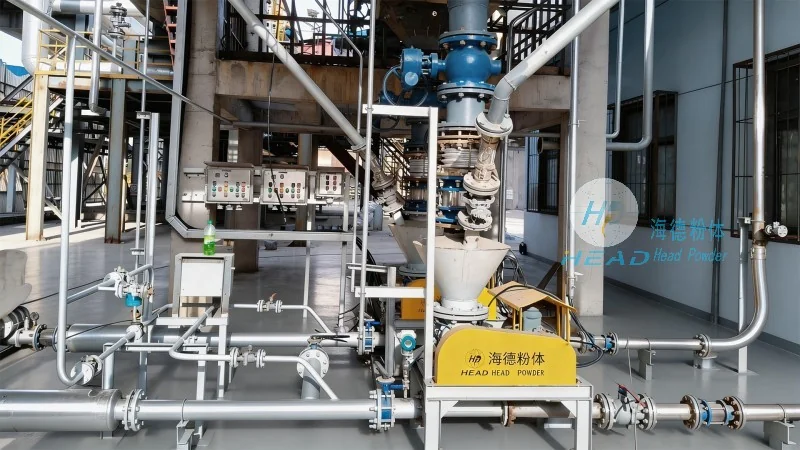
The material handling line for lithium-ion battery anode materials typically consists of several interconnected components, each with a specific function. The process begins with the raw material storage and feeding system, which ensures a continuous supply of materials to the line. The materials are then transported through a series of conveyors, which may include belt conveyors, screw conveyors, or pneumatic conveying systems, depending on the material properties and production requirements. Next, the materials are processed in mixing and blending units to achieve the desired composition and homogeneity. This step is crucial for ensuring the anode materials meet the specifications required for battery performance. Finally, the processed materials are packaged and stored for further use in the battery manufacturing process.

Advantages of Using a Specialized Material Handling Line
Implementing a dedicated material handling line for lithium-ion battery anode materials offers numerous advantages for manufacturers. Firstly, it significantly improves production efficiency by automating the material handling process, reducing downtime and increasing throughput. Secondly, it enhances product quality by ensuring consistent material properties and uniformity. This leads to better battery performance and reliability. Thirdly, the line reduces labor costs and material waste, contributing to overall cost savings. Additionally, the automated nature of the system minimizes human error and improves workplace safety. By investing in a specialized material handling line, manufacturers can gain a competitive edge in the market by producing high-quality batteries more efficiently.
Conclusion
In summary, a lithium-ion battery anode material material handling line is a sophisticated and essential piece of equipment for the lithium battery industry. Its design is centered on efficiency, quality, and safety, with advanced control systems and optimized workflow to meet the demands of modern battery production. Companies like HeadPowder play a vital role in providing these solutions, helping manufacturers enhance their production capabilities and meet the growing demand for lithium-ion batteries. By understanding the design principles and components of such a line, manufacturers can make informed decisions to improve their production processes and achieve better results.