

Working Principle and Features of Pneumatic Conveying Systems in Dust Collection Stations
HeadPowder, a leading engineering firm based in Shandong, China, specializes in the design and implementation of advanced pneumatic conveying systems tailored for dust collection applications. These systems are integral to modern industrial processes, offering efficient and reliable methods for transporting particulate materials from dust collection stations to storage or processing units. This article explores the fundamental working principles and key characteristics of such systems, providing a comprehensive overview for industry professionals and potential clients.


The Working Principle of Pneumatic Conveying Systems
Pneumatic conveying systems operate by utilizing air flow to transport bulk materials. The core mechanism involves creating a pressure differential between the inlet and outlet of the system. In a typical setup, a blower or compressor generates high-pressure air, which is then introduced into the conveying line. The material to be transported is introduced into the system, often through a hopper or feeder, and is entrained by the moving air stream. As the air and material travel through the pipeline, the pressure and velocity are carefully controlled to ensure stable and efficient transport. The system typically includes components such as a hopper, feeder, pipeline, and discharge point, each playing a crucial role in the overall operation. The air flow is maintained at a consistent rate to prevent material settling or blockages, ensuring smooth material transfer.

Key Features of Pneumatic Conveying Systems
Several distinct features make pneumatic conveying systems an attractive solution for dust collection applications. Firstly, they offer high efficiency in material transport, with the ability to handle a wide range of particle sizes and densities. The systems are designed to minimize material degradation, which is critical for maintaining product quality in industrial processes. Another significant advantage is their flexibility in system layout; they can be configured to accommodate complex plant layouts, including vertical and horizontal transport paths. Additionally, these systems are generally low maintenance, with fewer moving parts compared to mechanical conveyors, reducing operational costs and downtime. Environmental considerations are also addressed, as the enclosed pipeline design helps contain dust emissions, enhancing workplace safety and compliance with environmental regulations. The systems are also scalable, allowing for adjustments in capacity to meet varying production demands.
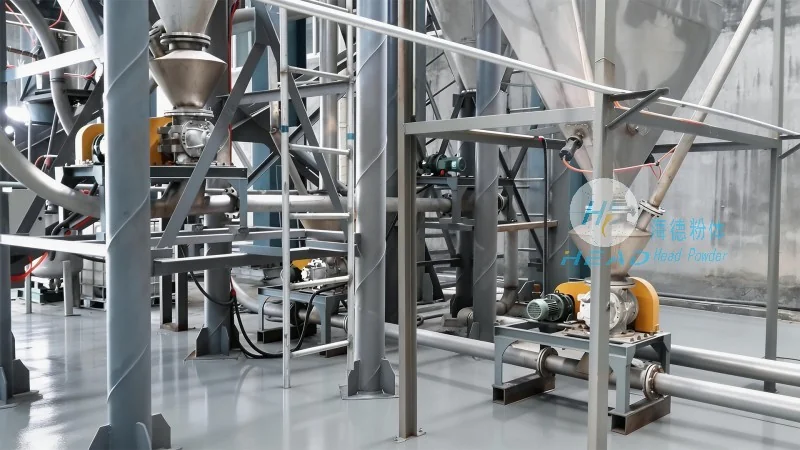
Company Profile: Shandong HeadPowder Engineering Co., Ltd.
Shandong HeadPowder Engineering Co., Ltd., the parent company of HeadPowder, is a reputable engineering firm headquartered in Shandong, China. With a strong focus on innovative solutions for material handling and dust control, the company has established itself as a trusted provider of pneumatic conveying systems and related engineering services. The company's expertise lies in customizing systems to meet specific client requirements, ensuring optimal performance and reliability. By leveraging advanced technology and rigorous engineering standards, HeadPowder delivers solutions that enhance operational efficiency and safety in industrial settings. The company's commitment to quality and customer satisfaction has earned it a solid reputation in the industry, making it a preferred choice for businesses seeking reliable and efficient material transport solutions.