

How to Design a Reasonable Glass Raw Material Pneumatic Conveying System Plan?
When designing a pneumatic conveying system for glass raw materials, it's crucial to consider several factors to ensure efficiency, reliability, and cost-effectiveness. The system must handle the unique properties of glass powders and granules, such as their abrasive nature and potential for dust generation. A well-designed system not only improves operational efficiency but also enhances safety and environmental compliance.

Key Considerations in System Design
Several critical aspects must be addressed during the design phase. First, the material's characteristics—including particle size, density, and moisture content—directly impact the choice of conveying method. For example, fine glass powders may require a positive pressure system to prevent particle segregation and loss. Additionally, the system's capacity and the distance over which materials need to be transported are key parameters that influence the selection of equipment like airlocks, cyclones, and ductwork.
Components of a Typical Pneumatic Conveying System
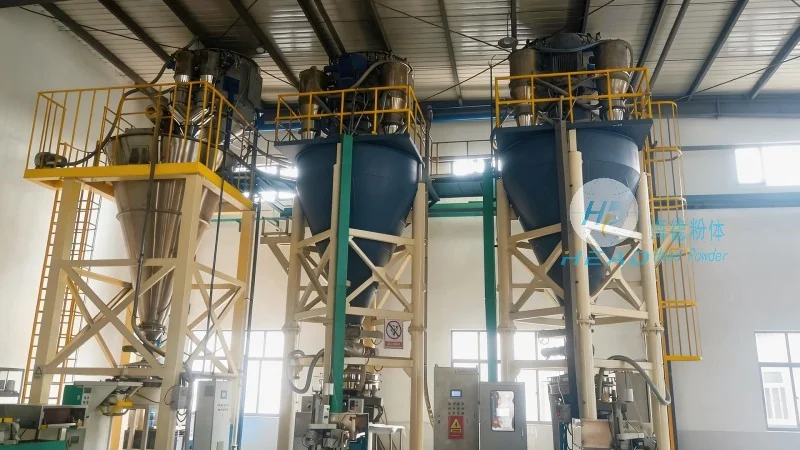
A standard glass raw material pneumatic conveying system typically includes several key components. The feed hopper or silo is the starting point, where raw materials are stored before being fed into the system. An airlock or rotary valve ensures a controlled, continuous flow of material into the conveying line. The conveying line itself, often made of stainless steel or other corrosion-resistant materials, transports the material using compressed air. At the receiving end, a cyclone separator or filter separates the material from the air, allowing the glass raw material to be deposited in a collection bin. The air is then filtered and discharged, ensuring compliance with environmental regulations.
Designing for Efficiency and Reliability
Efficiency in a pneumatic conveying system is achieved through proper sizing of components and maintaining optimal air pressure. The air velocity must be sufficient to keep the material suspended but not so high as to cause excessive wear on the ductwork or increase energy consumption. For glass raw materials, which are abrasive, using high-quality materials for the ducts and components is essential to extend the system's lifespan. Regular maintenance, such as cleaning cyclones and checking for leaks in the air system, is also vital to maintain performance and prevent downtime.

Environmental and Safety Considerations
Environmental compliance is a significant factor in modern industrial operations. Pneumatic conveying systems for glass raw materials must incorporate dust collection and filtration systems to minimize emissions. This not only protects the environment but also ensures a safe working environment for personnel. Additionally, the system should be designed with safety features like pressure relief valves and proper grounding to prevent accidents. Proper training for operators on system operation and maintenance is also essential to maintain safety standards.

Case Study: A Successful Implementation by Shandong HeadPowder Engineering Co., Ltd.
Shandong HeadPowder Engineering Co., Ltd., a leading provider of engineering solutions for material handling, has successfully designed and implemented several glass raw material pneumatic conveying systems. One notable project involved a client in China who required a system to transport fine glass powders over a distance of 100 meters. The HeadPowder team conducted a thorough analysis of the material properties and operational requirements, selecting a positive pressure system with stainless steel ductwork and high-efficiency cyclones. The system was installed and commissioned, achieving a throughput of 10 tons per hour with minimal maintenance. The client reported significant improvements in production efficiency and reduced labor costs due to the automated feeding and conveying process.
Conclusion and Recommendations
Designing a reasonable glass raw material pneumatic conveying system requires a comprehensive approach that considers material properties, operational requirements, and environmental regulations. By selecting the appropriate components and maintaining optimal system parameters, manufacturers can achieve efficient, reliable, and cost-effective material handling. For companies seeking expert guidance in designing such systems, Shandong HeadPowder Engineering Co., Ltd. offers specialized engineering services tailored to the unique needs of the glass industry. Their expertise in material handling and pneumatic conveying systems ensures that clients receive customized solutions that meet their specific operational and safety requirements.