

Principle and Working Scene Characteristics of Lithium Manganese Oxide Powder Conveying Machine
HeadPowder, a leading manufacturer based in Shandong, China, specializes in the design and production of advanced powder conveying systems tailored for lithium manganese oxide (LiMn2O4) applications. This article explores the fundamental principles behind these machines and highlights key working scene characteristics that make them indispensable in modern material processing and battery manufacturing industries.

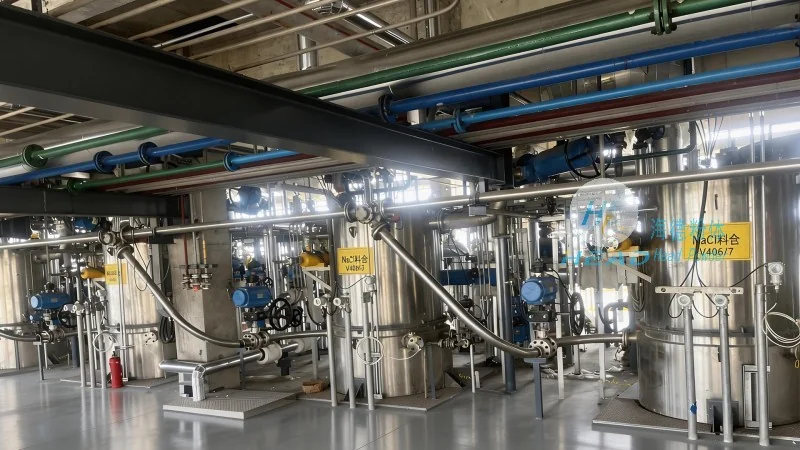

The Core Principles of Lithium Manganese Oxide Powder Conveying Systems
Lithium manganese oxide is a critical cathode material in lithium-ion batteries, known for its stability and cost-effectiveness. However, its handling presents unique challenges due to the powder's tendency to agglomerate, generate static electricity, and require precise control to maintain particle integrity. The conveying machines designed for LiMn2O4 must address these challenges through specialized engineering solutions. Typically, these systems employ either screw conveyors, pneumatic conveyors, or a combination of both, depending on the specific material flow requirements and operational environment. Screw conveyors utilize rotating helical screws to move powder through a closed tube, providing consistent and controlled transport with minimal product degradation. Pneumatic conveyors, on the other hand, use air pressure to transport powder in a sealed system, offering flexibility for long-distance or complex routing. Both technologies are enhanced with features such as anti-static coatings, temperature control, and dust suppression mechanisms to ensure the powder remains in optimal condition during transport. The design of these systems also incorporates material compatibility considerations, as LiMn2O4 can be sensitive to certain metals or chemicals that might cause contamination or corrosion. For instance, stainless steel or food-grade materials are often used for the conveyor components to prevent reaction with the powder and maintain product purity. Additionally, the control systems are equipped with sensors and automation to monitor flow rates, pressure, and temperature in real-time, ensuring operational efficiency and safety. This combination of mechanical design, material science, and advanced control technology forms the foundation of effective LiMn2O4 powder conveying, enabling manufacturers to achieve reliable and high-quality material transfer.
Key Working Scene Characteristics of LiMn2O4 Powder Conveying Machines
The effectiveness of lithium manganese oxide powder conveying machines is significantly influenced by the specific working environments and application scenarios. These characteristics are tailored to meet the diverse needs of industries such as battery production, material processing, and research laboratories. One primary characteristic is the ability to handle fine powders with high precision. In battery manufacturing, for example, the cathode material must be evenly distributed and free from agglomerates to ensure uniform battery performance. The conveying systems are designed to maintain particle size distribution and prevent segregation, which is crucial for consistent product quality. Another key characteristic is the adaptability to different production scales. From small-scale laboratory applications to large-scale industrial production lines, the machines can be scaled to meet varying throughput requirements. This scalability is achieved through modular designs that allow for easy expansion or integration with existing production infrastructure. Environmental factors also play a critical role in the working scene. Many industrial settings require dust-free or controlled environments to prevent contamination or health hazards. The conveying machines are equipped with dust collection systems and sealed enclosures to minimize particle release, ensuring compliance with safety and regulatory standards. Furthermore, the operational efficiency and reliability of these systems are essential in continuous production processes. Downtime can lead to significant losses in battery manufacturing, so the machines are engineered for low maintenance and high uptime. Features such as self-cleaning mechanisms, automatic lubrication, and robust construction help reduce operational costs and extend the lifespan of the equipment. The working scene characteristics also extend to the integration with other production equipment. In battery production lines, the conveying machines are often integrated with mixing, coating, and packaging systems to form a seamless production flow. This integration requires precise synchronization and communication between the components, which is facilitated by advanced control systems. The ability to handle varying moisture levels and particle properties is another important characteristic, as LiMn2O4 can be sensitive to humidity and moisture, which may affect its performance. The conveying systems are designed to maintain low humidity levels and prevent moisture absorption, ensuring the powder remains in optimal condition throughout the process. Finally, the safety features of the machines are a critical working scene characteristic, especially in industrial environments where powder handling poses risks. The systems include emergency stop buttons, overload protection, and safety interlocks to prevent accidents and protect operators. These features are essential for maintaining a safe working environment and complying with occupational health and safety regulations. Overall, the working scene characteristics of LiMn2O4 powder conveying machines reflect the need for specialized, reliable, and efficient equipment that can adapt to the unique demands of lithium battery production and material processing industries.