

Introduction to Stainless Steel Bulk Bag Pneumatic Conveying: Structure and Principle Explanation
Stainless steel bulk bag pneumatic conveying systems represent a sophisticated solution for material handling, particularly in industries requiring high standards of hygiene, durability, and efficiency. This technology is designed to transport bulk materials from storage containers, such as bulk bags or tote bins, to processing equipment or storage areas through the use of air pressure. The system's design incorporates stainless steel components to ensure resistance to corrosion and contamination, making it ideal for handling sensitive or food-grade materials.
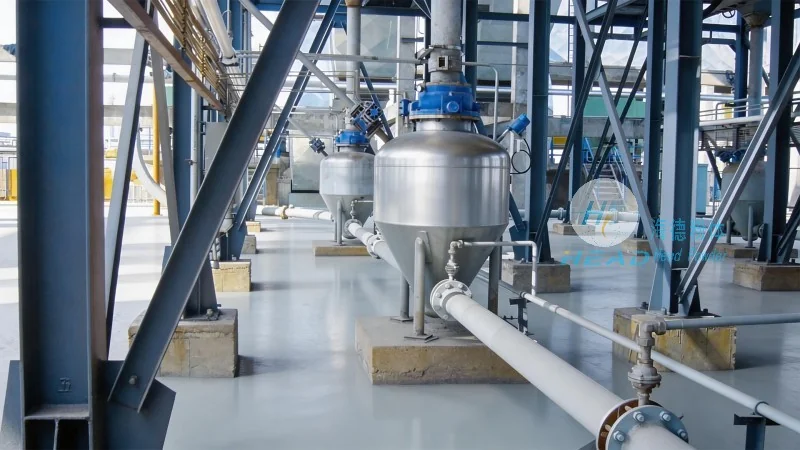
Overview of Stainless Steel Bulk Bag Pneumatic Conveying
At the core of stainless steel bulk bag pneumatic conveying is the ability to efficiently transfer bulk materials from a bulk bag, which is typically a flexible container filled with product, to a processing or storage destination. The system operates by creating a pressure differential, either through vacuum or pressure, to move the material through a pipeline. This method eliminates the need for manual handling and reduces the risk of product contamination, which is critical in industries like pharmaceuticals, food processing, and chemical manufacturing.
Key Components and Structure of the System
The stainless steel bulk bag pneumatic conveying system consists of several critical components that work in tandem to ensure smooth operation. The primary components include the bulk bag itself, a discharge valve or spout for material release, a hopper or receiving vessel to collect the material, a conveying line (usually made of stainless steel to prevent corrosion), a blower or vacuum pump to generate the air flow, and a filter system to capture and return the air to the system. The entire system is constructed from stainless steel, which provides excellent resistance to corrosion, rust, and chemical exposure, ensuring long-term reliability and minimal maintenance.

Working Principle of the Pneumatic Conveying Process
The operation of the stainless steel bulk bag pneumatic conveying system follows a systematic process. Initially, the bulk bag is positioned over the discharge spout, which is connected to the receiving hopper. The discharge valve is opened, allowing the material to begin flowing into the hopper. Simultaneously, the blower or vacuum pump is activated to create a pressure or vacuum within the conveying line. This pressure differential draws the material from the bulk bag into the line and transports it to the receiving hopper. The filter system captures any dust or particles, ensuring that the air is cleaned and can be recirculated, maintaining a clean and efficient operation.

Advantages of Stainless Steel Bulk Bag Pneumatic Conveying
Implementing a stainless steel bulk bag pneumatic conveying system offers numerous advantages over traditional material handling methods. Firstly, it significantly reduces labor costs by automating the material transfer process, eliminating the need for manual shoveling or bucket handling. Secondly, the stainless steel construction ensures high hygiene standards, making it suitable for handling food, pharmaceutical, and other sensitive products without risk of contamination. Thirdly, the system is highly efficient, with the ability to transport large volumes of material quickly and with minimal downtime. Additionally, the stainless steel components provide durability and longevity, reducing the need for frequent replacements and maintenance, which translates to lower long-term operational costs.

Applications and Industries
Stainless steel bulk bag pneumatic conveying systems are widely used across various industries due to their versatility and reliability. Common applications include the food and beverage industry, where they are used to transfer ingredients like flour, sugar, and spices; the pharmaceutical industry, for handling active pharmaceutical ingredients (APIs) and other sensitive compounds; the chemical industry, for transporting powders and granules; and the agricultural sector, for moving feed and other bulk agricultural products. The system's ability to maintain product integrity and hygiene makes it a preferred choice in these sectors.
Conclusion
In conclusion, stainless steel bulk bag pneumatic conveying is a highly effective and efficient technology for material handling. Its design, utilizing stainless steel components, ensures durability, hygiene, and resistance to corrosion, making it suitable for a wide range of applications. The system's ability to automate material transfer, reduce labor costs, and maintain product quality makes it an invaluable asset for industries that require reliable and clean material handling solutions. As a leading provider in this field, Shandong HeadPowder Engineering Co., Ltd. specializes in designing and manufacturing such systems, leveraging years of expertise to deliver solutions tailored to the specific needs of their clients.