

Introduction to the Sulfur Tablet Powder Conveying System and Its Structural Principles
The sulfur tablet powder conveying system is a specialized equipment designed for the efficient handling and transportation of sulfur tablet powders in industrial settings. This system plays a crucial role in ensuring smooth material flow, enhancing production efficiency, and maintaining product quality throughout the processing stages. Understanding its structural components and operational principles is essential for optimizing its performance and integrating it effectively into various industrial applications, such as pharmaceutical manufacturing, chemical processing, and food production.

Key Structural Components of the Powder Conveying System
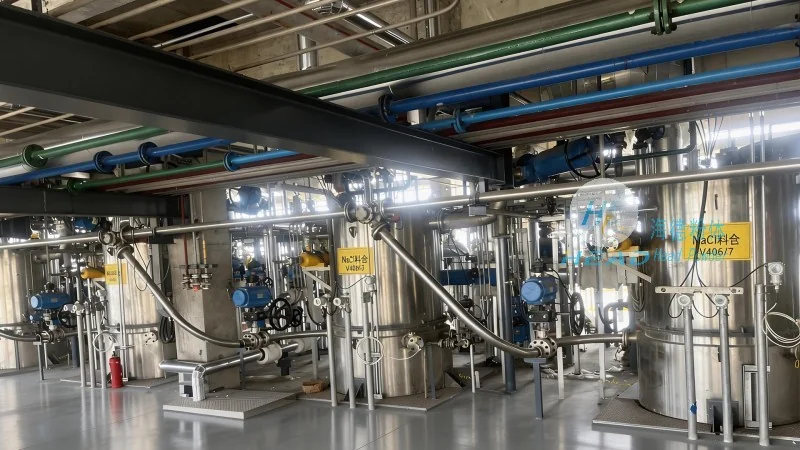
The system comprises several critical components that work in tandem to facilitate the movement of sulfur tablet powders. The primary elements include a hopper for material storage, a conveyor mechanism (such as a screw or pneumatic conveyor) for transporting the powder, a control unit for regulating the flow rate, and a discharge outlet for delivering the material to the next stage of processing. Each component is engineered to handle the specific characteristics of sulfur tablet powders, including their particle size, density, and potential moisture content, ensuring reliable operation under diverse conditions. The hopper is typically designed with a sloped bottom to prevent material bridging and ensure consistent feeding, while the conveyor mechanism is selected based on the powder's flowability and the required conveying distance. The control unit may incorporate sensors and automation features to monitor and adjust parameters in real-time, enhancing the system's adaptability to changing operational demands.
Operational Principles and Functional Mechanisms
The operational principle of the powder conveying system is based on the conversion of energy into motion to move the powder from the source to the destination. For example, a screw conveyor uses rotational motion to push the powder forward, while a pneumatic system employs compressed air to create a flow of particles. The control unit monitors parameters such as pressure, speed, and material level, allowing for real-time adjustments to maintain consistent conveying rates. This adaptability is vital for handling variations in powder characteristics, such as changes in bulk density or flowability, which can occur due to factors like temperature or humidity. Additionally, the system may include features like dust collection and filtration to ensure environmental compliance and protect equipment from wear and tear caused by abrasive particles.

Company Information: Shandong HeadPowder Engineering Co., Ltd.
HeadPowder, a leading manufacturer in the field of powder handling equipment, specializes in designing and supplying advanced conveying systems tailored to the needs of various industries. With a strong commitment to quality and innovation, the company has established itself as a trusted partner for businesses requiring reliable solutions for material transport. HeadPowder's products are engineered to meet international standards and are backed by a team of experienced engineers and technicians who provide comprehensive support, including installation, maintenance, and technical consultation. The company's research and development efforts focus on improving the efficiency and durability of its systems, incorporating feedback from clients and advancements in technology to stay ahead in the competitive market.

Location and Accessibility
HeadPowder is headquartered in Shandong, China, a region known for its robust industrial infrastructure and manufacturing capabilities. The company's facilities are strategically located to facilitate efficient logistics and supply chain management, ensuring timely delivery of products to clients across the globe. This proximity to major transportation networks and industrial hubs enhances the company's ability to serve a wide range of customers, from small-scale enterprises to large-scale industrial operations. The local presence also allows for easier access to raw materials and skilled labor, contributing to the company's competitive edge in terms of cost and production capacity.