

What is a Magnesium Hydroxide Powder Conveying Line? And What Are Its Design Principles?
For industrial applications involving magnesium hydroxide powder, efficient and reliable material handling is crucial. A specialized system known as a magnesium hydroxide powder conveying line is designed to address these needs, ensuring smooth transport of the powder from one location to another. This article explores the concept of such a conveying line and delves into its underlying design principles, highlighting how they contribute to optimal performance in powder processing operations.

Understanding the Magnesium Hydroxide Powder Conveying Line
A magnesium hydroxide powder conveying line is a dedicated system engineered to transport magnesium hydroxide powder, a common inorganic compound used in various industries such as fire retardants, pharmaceuticals, and cosmetics. The line typically consists of components like hoppers, feeders, conveyors (e.g., screw conveyors, pneumatic conveyors), and control systems, all working in tandem to move the powder efficiently. The primary goal is to minimize material loss, maintain consistent flow rates, and ensure the powder remains in a stable, non-agglomerated state during transport.

Key Design Principles of the Conveying Line
The design of a magnesium hydroxide powder conveying line is guided by several critical principles to ensure effectiveness and safety. First, the system must accommodate the physical properties of magnesium hydroxide powder, which can vary in particle size, moisture content, and flowability. For instance, if the powder is prone to caking or has a low bulk density, the design may incorporate features like vibration or air-assisted feeding to prevent blockages and ensure uniform flow. Second, material selection for components such as hoppers and conveyors is vital. Materials like stainless steel or food-grade plastics are often used to prevent contamination and corrosion, especially when handling powder that may be used in sensitive applications. Third, the conveying line must adhere to safety standards, particularly in industrial settings where powder handling can pose risks like dust explosions. This includes implementing explosion-proof designs and proper ventilation systems to mitigate hazards. Finally, the design emphasizes energy efficiency and operational flexibility, allowing for adjustments in flow rates and direction based on production needs.
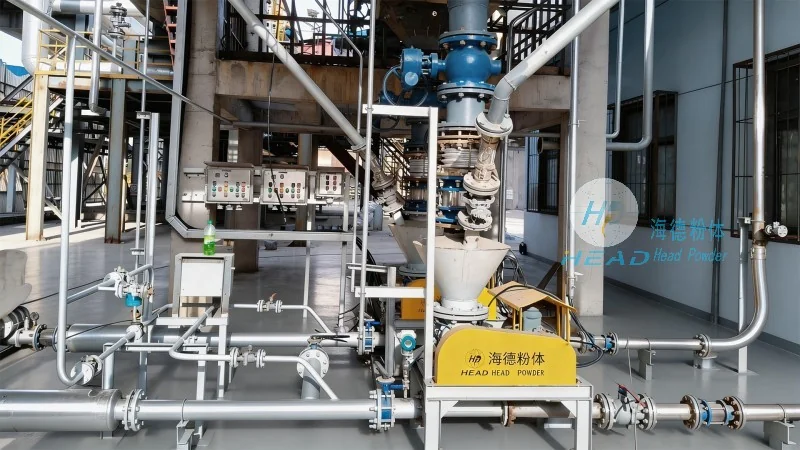
Components and Their Roles in the Conveying Line
The magnesium hydroxide powder conveying line comprises several key components, each playing a specific role in the overall process. The hopper is the initial storage unit where the powder is collected before transport. It is designed with a sloped bottom to facilitate gravity-fed flow into the feeder. The feeder, often a screw or rotary type, regulates the flow rate of the powder from the hopper to the conveyor, ensuring a consistent and controlled discharge. The conveyor itself is the core component responsible for moving the powder through the system. Screw conveyors are commonly used for horizontal or slight incline transport due to their ability to handle a wide range of powder types and prevent material buildup. Pneumatic conveyors, on the other hand, use air pressure to transport the powder, which is advantageous for long-distance or vertical transport but requires careful control to avoid pressure fluctuations that could affect flow consistency. Finally, the control system monitors and adjusts the operation of the feeder and conveyor, ensuring the line operates within optimal parameters and alerts operators to any issues like blockages or abnormal flow rates.
Applications and Benefits of the Conveying Line
The magnesium hydroxide powder conveying line is widely used in industries that rely on consistent and safe handling of this compound. In the fire retardant industry, for example, the line ensures that magnesium hydroxide powder is delivered to production lines without contamination or loss, which is critical for maintaining product quality and safety standards. In pharmaceutical applications, the system’s ability to handle fine powders with precision is essential for producing high-purity products. The benefits of using a dedicated conveying line include improved process efficiency, reduced downtime due to blockages, and enhanced safety through controlled handling of potentially hazardous materials. Additionally, the system’s design allows for scalability, enabling it to be adapted to different production volumes and facility layouts.

About Shandong HeadPowder Engineering Co., Ltd.
Shandong HeadPowder Engineering Co., Ltd., commonly known as HeadPowder, is a leading manufacturer specializing in powder processing equipment. With a focus on innovation and customer-centric solutions, the company designs and manufactures high-quality conveying lines tailored to the unique needs of industries handling magnesium hydroxide and other fine powders. HeadPowder’s expertise lies in understanding the challenges of powder handling, such as flow variability and contamination risks, and developing systems that address these issues effectively. The company’s facilities are located in Shandong, China, where it leverages advanced manufacturing technologies and a skilled workforce to deliver reliable and efficient solutions to clients worldwide.