

What is a Bulk Bag Pneumatic Powder Conveying System? And Its Design Principles
For industries dealing with bulk powders, efficient and reliable material handling is crucial. One advanced solution that has gained significant traction is the bulk bag pneumatic powder conveying system. This equipment is designed to transport large quantities of dry powders from a storage container, such as a ton bag or super sack, to processing equipment or storage tanks. In this article, we will explore what this system entails and delve into its core design principles to understand how it operates effectively.

Introduction to Bulk Bag Pneumatic Powder Conveying Systems
A bulk bag, also known as a flexible intermediate bulk container (FIBC), is a large, reusable bag used for transporting and storing bulk materials. The pneumatic conveying system utilizes air to move these powders from the bag to the desired destination. This method offers several advantages over traditional mechanical conveying, including reduced product contamination, lower maintenance costs, and the ability to handle a wide range of powder types without the need for complex machinery. The system typically consists of a hopper, a blower or compressor, a filter, and a receiving vessel, all integrated to create a seamless flow of material.
Key Components and Their Roles
Understanding the individual components of a bulk bag pneumatic conveying system is essential to grasp its functionality. The primary components include:
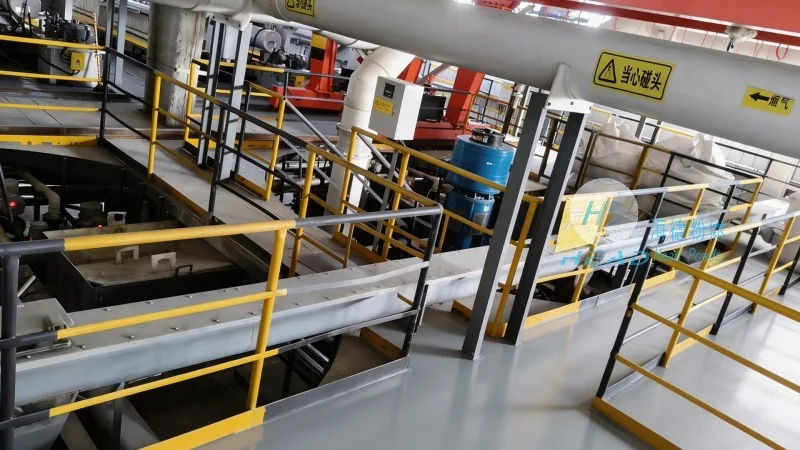
- Bulk Bag (Ton Bag): This is the container that holds the powder. It is usually made of durable fabric and equipped with a discharge spout or valve that allows the material to be released into the system.
- Hopper: The hopper is a container that collects the powder from the bulk bag. It is designed to funnel the material into the conveying line, ensuring a smooth and consistent flow.
- Blower or Compressor: This is the heart of the system, providing the necessary air pressure to move the powder through the pipeline. The choice between a blower and a compressor depends on the specific application, with blowers generally used for low to medium pressure conveying and compressors for high-pressure needs.
- Pipeline and Fittings: The conveying line, typically made of stainless steel or other corrosion-resistant materials, transports the powder-air mixture from the hopper to the receiving vessel. Properly sized and designed fittings ensure minimal pressure loss and efficient material transport.
- Filter and Dust Collector: As the powder is conveyed, fine particles can be released into the air. The filter system captures these particles, preventing contamination and ensuring compliance with environmental regulations. The collected dust is then disposed of or recycled.
- Receiving Vessel: The final component where the powder is deposited after being conveyed. This vessel can be a storage tank, a mixer, or any other processing equipment.
Design Principles for Optimal Performance
The design of a bulk bag pneumatic powder conveying system follows several key principles to ensure efficiency, reliability, and safety. These principles are tailored to the specific characteristics of the powder being handled, such as particle size, density, and flowability.
1. Air Velocity and Pressure: The system is designed to maintain an optimal air velocity within the pipeline. This velocity is critical to prevent particle segregation and ensure that all material is conveyed without clogging. The pressure is carefully controlled to balance the need for efficient transport with energy efficiency. Too low a pressure may result in incomplete conveying, while too high a pressure can lead to excessive wear on components and increased energy consumption.
2. Particle Size and Flowability: The design considers the particle size distribution of the powder. Coarser particles may require higher air velocities to prevent settling, while fine powders might need lower velocities to avoid excessive pressure drop. The flowability of the powder, which is influenced by factors like moisture content and particle shape, is also taken into account. Proper design ensures that the powder flows smoothly from the bulk bag into the hopper and through the pipeline.

3. System Sizing and Capacity: The conveying system is sized based on the required throughput, which is determined by the production needs of the facility. The blower or compressor capacity, pipeline diameter, and filter size are all matched to the expected flow rate. This ensures that the system can handle the intended volume of powder without bottlenecks or overloading.
4. Material Compatibility: The components of the system are selected to be compatible with the specific powder being handled. For example, if the powder is corrosive or abrasive, materials such as stainless steel or special coatings are used for the hopper, pipeline, and fittings to prevent wear and degradation. This ensures the longevity of the equipment and maintains product purity.
5. Safety and Environmental Considerations: The design incorporates safety features to protect operators and the environment. This includes proper ventilation to remove dust from the conveying line, emergency shut-off valves, and pressure relief systems. The filter system is designed to capture dust efficiently, minimizing emissions and complying with local regulations.

Applications and Benefits
Bulk bag pneumatic powder conveying systems are widely used in various industries, including pharmaceuticals, food processing, chemicals, and mining. The primary benefits of this technology include:
- Reduced Product Contamination: The enclosed system prevents cross-contamination and exposure to external elements, ensuring the purity of the powder.
- Lower Maintenance Costs: Compared to mechanical systems, pneumatic conveying requires less maintenance as there are fewer moving parts.
- Flexibility and Scalability: The system can be easily adjusted to handle different powder types and quantities, making it suitable for both small-scale and large-scale operations.
- Improved Safety: The enclosed design reduces the risk of dust explosions and inhalation hazards, creating a safer working environment.
- Energy Efficiency: Properly designed systems can operate efficiently, minimizing energy consumption while maintaining high throughput.
About HeadPowder Engineering Co., Ltd.
HeadPowder Engineering Co., Ltd., a leading manufacturer based in Shandong, China, specializes in the design, manufacturing, and supply of advanced bulk handling equipment. With years of experience in the industry, HeadPowder has developed a reputation for producing high-quality, reliable pneumatic conveying systems tailored to the specific needs of its clients. The company’s commitment to innovation and customer satisfaction has made it a trusted partner for businesses seeking efficient and effective powder handling solutions. HeadPowder’s products are engineered to meet international standards and are backed by comprehensive technical support and after-sales service, ensuring long-term performance and customer satisfaction.