

Working Principle and Features of Dust Pneumatic Conveying Systems
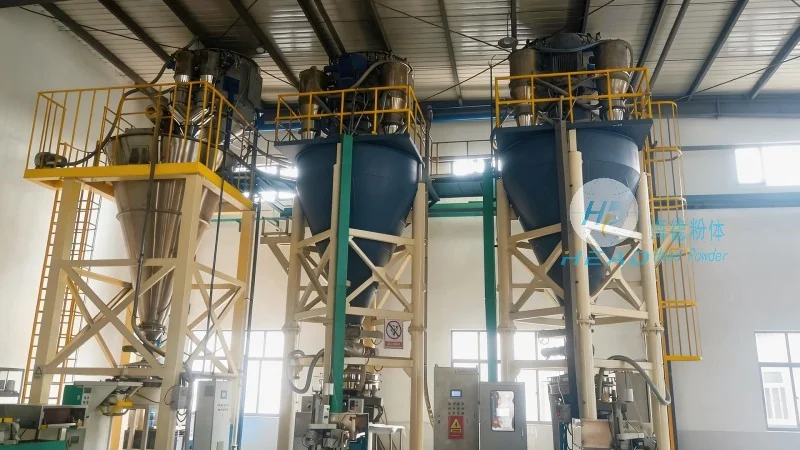
Dust pneumatic conveying systems are essential equipment in various industrial sectors for the efficient transport of bulk powders and granular materials. These systems utilize air pressure to move materials from one location to another, offering a flexible and often cost-effective solution compared to traditional methods like belt conveyors or bucket elevators. The technology has evolved significantly over the years, with advancements in design and control systems enhancing performance and reliability.

Working Principle of Pneumatic Conveying Systems
The core working principle of a dust pneumatic conveying system involves the use of compressed air to create a flow that propels the material through a pipeline. The process typically starts with the material being fed into a hopper or feeder, where it is then drawn into a venturi or a pressure vessel. Compressed air is introduced into the system, creating a low-pressure or high-pressure environment that generates sufficient force to move the material. The air and material mixture travels through the pipeline, with the air acting as the medium to transport the solids. At the destination, the material is separated from the air, often through a cyclone separator or a filter, and the air is either recirculated or vented to the atmosphere.

Key Features of Dust Pneumatic Conveying Lines
Dust pneumatic conveying lines offer several distinct advantages that make them popular in industrial applications. One of the primary features is their high efficiency in material transport, as they can move materials over long distances with minimal energy consumption compared to mechanical conveyors. The systems are also highly flexible, allowing for changes in direction and layout without the need for complex reconfiguration. Another key feature is their ability to handle a wide range of materials, from fine powders to larger granules, with different conveying velocities and pressure levels. Additionally, these systems are generally low-maintenance, as they have fewer moving parts compared to traditional conveyors, reducing downtime and operational costs.
Application Scenarios and Benefits
Dust pneumatic conveying systems are widely used in industries such as pharmaceuticals, food processing, chemical manufacturing, and mining. In the pharmaceutical industry, they are used to transport powders like active pharmaceutical ingredients (APIs) and excipients, ensuring a clean and sterile environment. In food processing, they handle ingredients like flour, sugar, and spices, maintaining hygiene standards. The benefits of these systems include improved safety, as there are no exposed moving parts that could pose a risk to workers, and reduced product contamination. Furthermore, the systems can be integrated with other processing equipment, such as mixers and blenders, to create a seamless production line.

Company Profile: Shandong HeadPowder Engineering Co., Ltd.
Shandong HeadPowder Engineering Co., Ltd., commonly known as HeadPowder, is a leading manufacturer of dust pneumatic conveying systems and related industrial equipment. With a strong presence in China, the company specializes in designing, manufacturing, and supplying high-quality conveying solutions tailored to the needs of various industries. HeadPowder's products are known for their durability, efficiency, and reliability, meeting the stringent requirements of modern industrial applications. The company's headquarters is located in Shandong, China, where it has established a robust research and development team to continuously innovate and improve its product offerings. By leveraging advanced technology and a commitment to quality, HeadPowder aims to provide customers with reliable and cost-effective solutions for their material handling needs.