

Principles and Application Scenarios of Fully Automatic Pneumatic Conveying Systems
Shandong HeadPowder Engineering Co., Ltd., commonly known as headpowder, specializes in the design, manufacturing, and integration of advanced pneumatic conveying systems. These systems are engineered to efficiently transport bulk materials through a network of pipes using compressed air or other gas streams, offering a reliable and flexible solution for various industrial applications. The fully automatic nature of these systems ensures seamless operation, minimizing human intervention and enhancing overall process efficiency.

Core Principles of Pneumatic Conveying Technology
The fundamental principle behind pneumatic conveying is the use of air or gas to create a flow of material within a closed pipeline. In a fully automatic system, this process is controlled by sophisticated control systems that regulate air pressure, flow rate, and material feed. The system typically consists of components such as a material hopper, a feeder, a conveying line, and a discharge point. The compressed air or gas is introduced at the material inlet, creating a pressure differential that propels the material forward. This method is particularly effective for handling powders, granules, and other dry bulk materials, as it avoids direct contact with the material, reducing contamination and wear on equipment.

Key Components and Their Functions
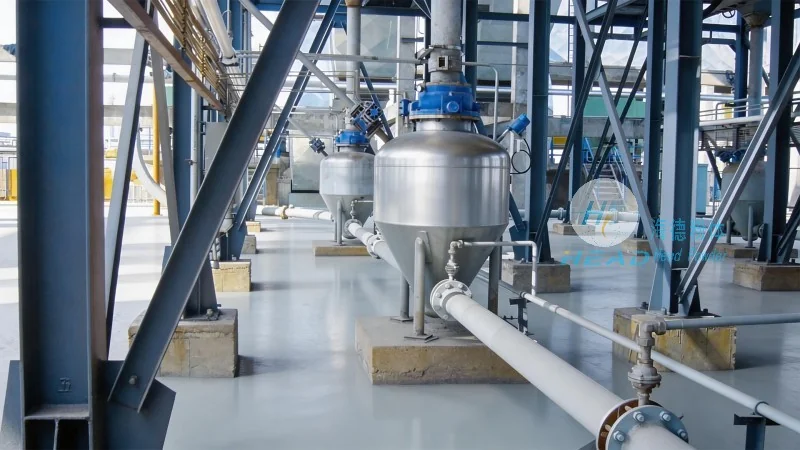
Each fully automatic pneumatic conveying system is composed of several critical components that work in harmony to ensure optimal performance. The material hopper serves as the storage and feeding unit, where bulk materials are loaded and prepared for transport. The feeder, often a rotary valve or a screw feeder, controls the rate at which material is introduced into the conveying line, ensuring a consistent flow. The conveying line, made of durable materials like stainless steel or plastic, is designed to withstand the pressure and abrasion from the material and air. The air compressor or blower provides the necessary pressure to move the material, while the control panel manages the entire operation, including start-up, shutdown, and monitoring of system parameters. The discharge point, which can be a receiver, a silo, or a processing unit, collects the material at the end of the conveying line.
Advantages of Fully Automatic Pneumatic Conveying
Compared to traditional mechanical conveying methods, fully automatic pneumatic systems offer several advantages. First, they provide a dust-free and hygienic environment, which is crucial for industries such as food, pharmaceuticals, and chemicals where contamination control is paramount. Second, these systems are highly flexible, allowing for changes in material type, flow rate, and destination without significant modifications. Third, the automated control systems enhance safety by reducing the risk of human error and ensuring consistent performance. Additionally, pneumatic conveying can handle a wide range of materials, from fine powders to large granules, making it a versatile solution for diverse industrial needs.
Common Application Scenarios
The application scenarios for fully automatic pneumatic conveying systems are diverse and widespread across various industries. In the food and beverage industry, these systems are used to transport ingredients like flour, sugar, and spices from storage to production lines, ensuring a clean and efficient process. In the pharmaceutical sector, they are employed to move raw materials and finished products, maintaining strict sanitary standards. The chemical industry utilizes pneumatic conveying for handling powders and granules, such as pigments, catalysts, and fertilizers, while the agricultural sector uses them to transport grains and seeds from storage facilities to processing plants. Additionally, in the mining and minerals industry, these systems are effective for transporting ore and other bulk materials from mines to processing sites. Each application leverages the system's ability to handle different material characteristics and maintain a controlled environment.

Operational Efficiency and Maintenance
One of the key benefits of fully automatic pneumatic conveying systems is their operational efficiency. The automated control systems ensure that the system operates at optimal parameters, reducing energy consumption and minimizing downtime. Regular maintenance is essential to ensure the longevity and reliability of the system. This includes checking the air compressor and blower for proper performance, inspecting the conveying line for any blockages or wear, and maintaining the feeder and hopper to prevent material buildup. By adhering to a regular maintenance schedule, users can maximize the system's lifespan and maintain consistent performance. The fully automatic nature of the system also simplifies maintenance tasks, as many functions are controlled by the system's software, reducing the need for manual adjustments.