

Principle and Working Scene Characteristics of Coal Sand Pneumatic Conveying System Equipment
Coal sand pneumatic conveying systems are advanced industrial equipment designed to transport coal and sand particles efficiently through an air-based mechanism. This technology offers a reliable solution for material handling in various industrial applications, ensuring smooth and continuous material movement from source to destination. The system operates by utilizing compressed air to create a flow that carries the solid particles, making it an ideal choice for environments where traditional conveyor belts or mechanical systems may face challenges due to dust, moisture, or material characteristics. As a leading manufacturer in this field, Shandong HeadPowder Engineering Co., Ltd. specializes in providing high-quality coal sand pneumatic conveying systems tailored to meet the diverse needs of industrial clients.

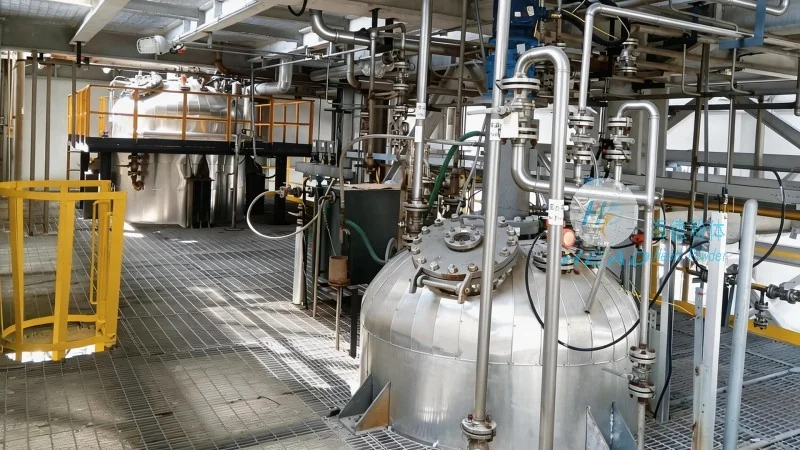
Principle of Operation
The core principle of a coal sand pneumatic conveying system revolves around the use of air as the conveying medium. The system typically consists of a hopper, a blower or compressor, a pipeline network, and a discharge point. When material is introduced into the hopper, it is drawn into the pipeline by the moving air stream. The air velocity is carefully controlled to ensure that the particles are suspended and transported without clogging or degradation. This method leverages the principles of fluid dynamics, where the air flow creates a drag force that lifts and moves the solid particles. The system can be configured as either a positive pressure or negative pressure system, depending on the specific requirements of the application. Positive pressure systems use a blower to push air and material through the pipeline, while negative pressure systems use a vacuum to draw material into the system. Both configurations are effective, but the choice depends on factors such as the distance to be covered, the material properties, and the need to minimize dust emissions.

Key Components and Their Functions
Several critical components make up a coal sand pneumatic conveying system, each playing a vital role in ensuring optimal performance. The hopper serves as the storage and feeding unit, where the coal or sand is loaded and prepared for transport. It is designed to maintain a consistent flow of material into the system, preventing blockages and ensuring a steady supply. The blower or compressor is the heart of the system, providing the necessary air pressure and volume to move the material. The choice of equipment depends on the system's capacity and the required air velocity. The pipeline network connects the hopper to the discharge point and may include bends, elbows, and expansion joints to accommodate changes in direction and elevation. These components are typically made of durable materials such as stainless steel or plastic to withstand the abrasive nature of coal and sand particles. The discharge point is where the material is released from the system, often into a silo or processing unit. It is designed to prevent backflow and ensure a controlled release of the material. Additionally, the system may include filters and cyclones to separate the air from the material, allowing the air to be recirculated or discharged safely. These components help maintain air quality and prevent dust accumulation in the system.

Working Scene Characteristics
The working scene characteristics of coal sand pneumatic conveying systems are tailored to meet the demands of various industrial environments. These systems are commonly used in coal mines, power plants, and construction sites where large quantities of coal or sand need to be transported over long distances. The flexibility of the system allows it to be adapted to different layouts and configurations, making it suitable for both new installations and retrofitting existing facilities. One of the key advantages is the ability to transport materials in a dust-free environment, which is crucial for maintaining workplace safety and compliance with environmental regulations. The system can also handle materials with varying particle sizes and moisture content, making it versatile for different applications. In addition, the system's compact design and low maintenance requirements make it an economical choice for many industrial operations. The working scene typically involves continuous operation, with the system running 24/7 to meet production demands. The reliability of the equipment is essential, as any downtime can lead to significant production losses. Therefore, manufacturers often provide robust and durable components to ensure long-term performance. The system's ability to handle abrasive materials without excessive wear also contributes to its longevity and cost-effectiveness.