

Principles and Working Scene Characteristics of Fly Ash Material Conveying
HeadPowder, a leading engineering firm based in Shandong, China, specializes in the design and implementation of efficient fly ash material conveying systems. This article delves into the fundamental principles behind these systems and highlights the key characteristics of their application in various industrial settings.

Company Background and Expertise
Shandong HeadPowder Engineering Co., Ltd., commonly known as HeadPowder, is a reputable company dedicated to providing advanced solutions for material handling, particularly in the context of fly ash management. With a strong presence in Shandong, China, the company leverages its technical expertise to develop customized conveying systems tailored to the unique needs of power plants, industrial facilities, and waste management operations.
Principles of Fly Ash Material Conveying
The core principles of fly ash material conveying revolve around the efficient transport of fine particulate matter from its source to a designated disposal or utilization location. These systems typically employ a combination of mechanical and pneumatic methods to ensure reliable and low-maintenance operation. Mechanical conveying, such as belt conveyors, screw conveyors, and bucket elevators, utilizes physical force to move the material through a closed or open system. In contrast, pneumatic conveying relies on air pressure to transport the fly ash in a sealed pipeline, offering advantages like flexibility and the ability to handle materials over longer distances without the need for multiple transfer points.

Working Scene Characteristics
The application of fly ash material conveying systems varies significantly across different industrial environments, each presenting distinct challenges and requirements. In power plants, for instance, these systems are crucial for transporting fly ash from boiler furnaces to storage silos or disposal sites, often operating under high-temperature and high-pressure conditions. The working scene characteristics in such settings include the need for robust equipment capable of withstanding abrasive and corrosive materials, as well as the requirement for precise control to minimize dust emissions and ensure environmental compliance.
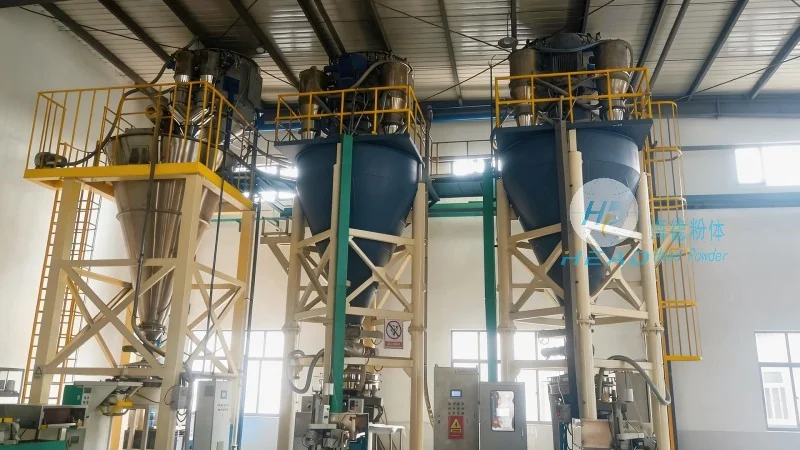
In industrial facilities involved in manufacturing processes that generate fly ash as a byproduct, the conveying systems may need to integrate with existing production lines. This integration demands flexibility in design, allowing for seamless material transfer between different stages of production. The working scene characteristics here often involve handling varying particle sizes and moisture content, which can impact the efficiency of the conveying process. Advanced control systems and material analysis tools are typically employed to optimize performance and maintain consistent material flow.

Key Features and Advantages
Modern fly ash material conveying systems, as designed by HeadPowder, incorporate several key features that enhance their effectiveness and reliability. These include automated control mechanisms that adjust conveying speed and pressure based on real-time material conditions, reducing the risk of blockages or system failures. The use of high-quality materials and corrosion-resistant coatings ensures long-term durability, even in harsh industrial environments. Additionally, the systems are designed with safety in mind, incorporating features like emergency shut-off valves and dust suppression systems to protect both personnel and the environment.
Conclusion
Understanding the principles and working scene characteristics of fly ash material conveying is essential for optimizing material handling processes in industrial applications. HeadPowder, with its expertise and commitment to innovation, continues to provide cutting-edge solutions that meet the evolving needs of the industry. By leveraging advanced technology and tailored engineering approaches, these systems ensure efficient, safe, and environmentally responsible management of fly ash materials across various industrial settings.