

Operation Process and Working Principle of a Flour Pneumatic Conveying System
Flour pneumatic conveying systems are sophisticated industrial solutions designed to efficiently transport bulk materials like flour from one location to another. These systems leverage the principles of fluid dynamics and air pressure to move dry powders without the need for mechanical components such as belts or buckets. The operation of such systems is a carefully orchestrated process that ensures optimal performance, minimal material degradation, and consistent flow rates.

Key Components and Their Roles
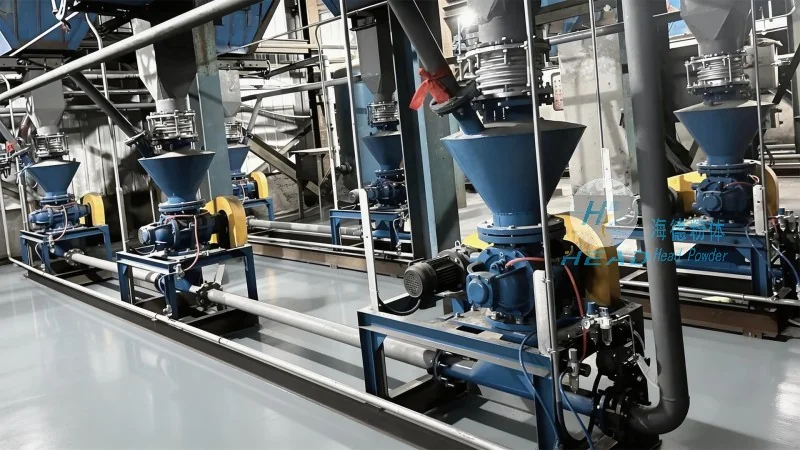
A typical flour pneumatic conveying system consists of several core components, each playing a critical role in the overall operation. The main elements include a hopper for material storage, a conveyor line (either positive or negative pressure), a dust collector, and a discharge outlet. The hopper is equipped with a feeder that controls the flow of flour into the system. The conveyor line is where the actual transport occurs, utilizing air to move the flour through pipes. The dust collector is essential for maintaining air quality and preventing dust emissions, while the discharge outlet delivers the flour to its final destination.

Working Principle of Pneumatic Conveying
The working principle of a flour pneumatic conveying system is based on the creation of a pressure differential between the conveying line and the ambient environment. In positive pressure systems, air is forced into the conveying line, creating a higher pressure than the surrounding air. This pressure pushes the flour particles along the pipe. Conversely, in negative pressure systems, the conveying line is kept under a slight vacuum, drawing the flour into the system as air is extracted. The choice between positive and negative pressure depends on factors such as the distance to be covered, the material characteristics, and the desired flow rate. For flour, which is a fine, light powder, positive pressure systems are often preferred as they provide better control over the material and reduce the risk of clogging.

Operation Process: From Hopper to Discharge
The operation process of a flour pneumatic conveying system begins with the loading of flour into the hopper. The feeder then regulates the flow of flour into the conveyor line. As the air is introduced, the flour particles are suspended in the air stream and transported through the pipes. The system is designed to maintain a consistent flow rate, which is crucial for preventing issues like material buildup or uneven delivery. The dust collector continuously removes any airborne flour particles, ensuring that the air leaving the system is clean and safe. Finally, the flour is discharged from the outlet into the receiving container or processing equipment. This entire process is automated and can be controlled remotely, allowing for precise management of the conveying operation.
Advantages and Considerations for Flour Handling
Flour pneumatic conveying systems offer several advantages for industrial applications. They are highly efficient, capable of moving large volumes of material over long distances with minimal energy consumption. The enclosed system also prevents contamination from external sources and reduces dust exposure for operators. However, there are considerations to keep in mind when implementing such a system. Proper maintenance is essential to prevent clogging and ensure consistent performance. The system must also be designed to handle the specific characteristics of flour, such as its fine particle size and potential for static buildup. Additionally, the choice of materials for the pipes and components is critical to prevent corrosion or material degradation over time.
Company Profile: Shandong HeadPowder Engineering Co., Ltd.
Shandong HeadPowder Engineering Co., Ltd., operating under the brand name headpowder, specializes in the design, manufacturing, and installation of advanced pneumatic conveying systems for the food and bulk material industries. With a focus on quality and innovation, the company has established itself as a leading provider of solutions tailored to the unique needs of flour and other fine powders. HeadPowder's systems are engineered to meet stringent industry standards, ensuring reliability, efficiency, and compliance with safety regulations. The company's headquarters is located in Shandong, China, where it leverages local expertise and resources to deliver high-quality products and services to clients worldwide.