

Operation Process and Working Principle of Cotton Fiber Pneumatic Conveying Equipment
HeadPowder, a leading manufacturer based in Shandong, China, specializes in the design and production of advanced cotton fiber pneumatic conveying equipment. This equipment is essential for efficiently transporting cotton fibers in various industrial applications, ensuring optimal performance and reliability. The following content provides a detailed overview of the operation process and working principles of such systems.
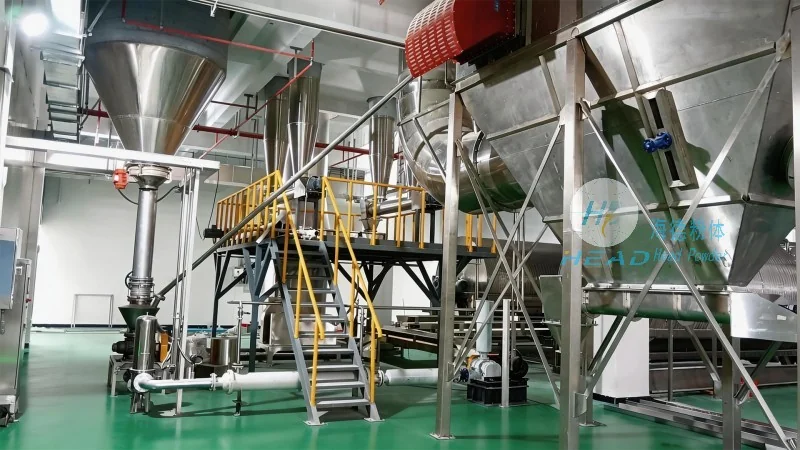
Overview of Cotton Fiber Pneumatic Conveying Systems
Cotton fiber pneumatic conveying systems are engineered to handle the unique characteristics of cotton fibers, such as their lightweight, low bulk density, and tendency to form agglomerates. These systems utilize air pressure to move cotton fibers from one location to another, eliminating the need for mechanical components like belts or buckets that may cause fiber damage. The primary components of a typical cotton fiber pneumatic conveying system include a hopper for material storage, a rotary valve or feeder to control the flow of cotton fibers, a conveying line (often equipped with in-line mixers or agitators to prevent blockages), and a receiver or destination container.
Working Principle of Pneumatic Conveying
The core principle of pneumatic conveying is the use of compressed air to create a flow that transports the material. In a positive pressure system, compressed air is introduced into the conveying line, pushing the cotton fibers forward. The air velocity is carefully controlled to maintain a stable flow without causing excessive wear or damage to the fibers. Conversely, in a negative pressure (or vacuum) system, a vacuum is created at the receiving end, drawing the cotton fibers into the line. Both systems rely on the balance between air pressure and material density to ensure efficient transport.

Key Components and Their Functions
Each component of the cotton fiber pneumatic conveying system plays a critical role in the overall operation. The hopper serves as the initial storage unit, providing a consistent feed of cotton fibers to the system. The rotary valve then opens to allow a controlled amount of material to enter the conveying line. Compressed air is introduced at the inlet of the line, creating a pressure differential that propels the fibers forward. As the fibers travel through the line, they may encounter inline mixers or agitators that break up any agglomerates and maintain a uniform flow. The receiver at the end of the line collects the transported cotton fibers, completing the process.
Operation Process: Step-by-Step
The operation of a cotton fiber pneumatic conveying system typically follows a sequential process. First, cotton fibers are loaded into the hopper. The rotary valve then opens to allow a controlled amount of material to enter the conveying line. Compressed air is introduced at the inlet of the line, creating a pressure differential that propels the fibers forward. As the fibers travel through the line, they may encounter inline mixers or agitators that prevent blockages and ensure uniform flow. Upon reaching the receiver, the fibers are deposited, and the process repeats. The system is designed to operate continuously, with the flow rate and air pressure adjusted as needed to maintain optimal performance.
Advantages of Cotton Fiber Pneumatic Conveying Equipment
Implementing cotton fiber pneumatic conveying equipment offers several advantages over traditional mechanical systems. These include reduced risk of fiber damage due to the absence of mechanical components, improved hygiene and cleanliness as the system is enclosed, and enhanced safety by minimizing manual handling of raw materials. Additionally, the systems are highly efficient, with low energy consumption and minimal maintenance requirements. The ability to transport cotton fibers over long distances without the need for intermediate storage or handling points also contributes to overall operational efficiency.

Application in the Textile Industry
Cotton fiber pneumatic conveying equipment is widely used in the textile industry for various applications, including the transport of raw cotton from storage to processing units, the movement of cotton fibers between different stages of production (such as cleaning, carding, and spinning), and the delivery of finished cotton products to packaging or shipping areas. The equipment's ability to handle large volumes of cotton fibers efficiently makes it indispensable in modern textile manufacturing processes. By ensuring a consistent and reliable supply of cotton fibers, these systems contribute to improved productivity and quality control in textile production.
Conclusion
HeadPowder's cotton fiber pneumatic conveying equipment exemplifies advanced engineering and design, providing reliable and efficient solutions for the transportation of cotton fibers. By understanding the operation process and working principles of these systems, users can optimize their operations, reduce costs, and enhance overall productivity. With a strong commitment to quality and innovation, HeadPowder continues to lead the industry in providing cutting-edge pneumatic conveying solutions for the textile sector.