

Operation Process and Working Principle of Polycrystalline Silicon Material Handling Equipment
Polycrystalline silicon serves as a fundamental raw material in the photovoltaic industry, and the efficiency of its handling directly influences production output and operational costs. Polycrystalline silicon material handling equipment is integral to the production line, ensuring seamless transfer of material between processing stages. This article explores the operational process and working principle of such equipment, emphasizing its significance and technical details.

Company Profile: Shandong HeadPowder Engineering Co., Ltd.
Headpowder, the abbreviated name for Shandong HeadPowder Engineering Co., Ltd., is a specialized manufacturer and supplier of material handling solutions. The company is based in Shandong, China, and has built a strong reputation in the industry for delivering high-quality equipment and reliable services. With extensive experience, Headpowder focuses on designing and producing equipment tailored to the unique requirements of the photovoltaic and related industrial sectors.

The Operational Process of Polycrystalline Silicon Material Handling Equipment
The operation of polycrystalline silicon material handling equipment follows a structured sequence to ensure safe and efficient material transfer. The process starts with preparation, where the equipment is inspected for functionality, including conveyor belt condition, motor performance, and control system integrity. Once verified, the start-up sequence is initiated, involving powering on the main motor and activating the control panel. During operation, the equipment continuously transports polycrystalline silicon from storage to processing units like melting furnaces or casting machines. Integrated sensors and monitoring devices track material flow and detect anomalies such as blockages or deviations. The process concludes with a controlled shutdown to prevent damage and maintain safety.

Working Principle of Polycrystalline Silicon Material Handling Equipment
The working principle of polycrystalline silicon material handling equipment combines mechanical and electrical systems to facilitate material movement. Core components include conveyor belts, drive motors, control panels, and sensors. Conveyor belts, often made of durable materials like rubber or specialized coatings, handle the weight and texture of polycrystalline silicon, preventing sticking and ensuring smooth transport. Drive motors provide controlled power to move the belts at adjustable speeds, tailored to material volume and processing needs. The control panel features a user interface for monitoring status, adjusting settings, and activating emergency stops. Sensors, such as proximity and level detectors, provide real-time feedback to the control system, ensuring precise and reliable operation.
Key Features and Technical Advantages
Polycrystalline silicon material handling equipment from Headpowder incorporates several key features enhancing performance and reliability. A primary advantage is high material transfer efficiency, reducing downtime and boosting production throughput. The equipment uses durable components to withstand harsh industrial conditions, including high temperatures and abrasive materials. Advanced control technology, like programmable logic controllers (PLCs), enables automated operation and real-time monitoring. Safety features, including emergency stop buttons and overload protection, ensure operator safety and prevent equipment damage.
Application Scenarios and Benefits
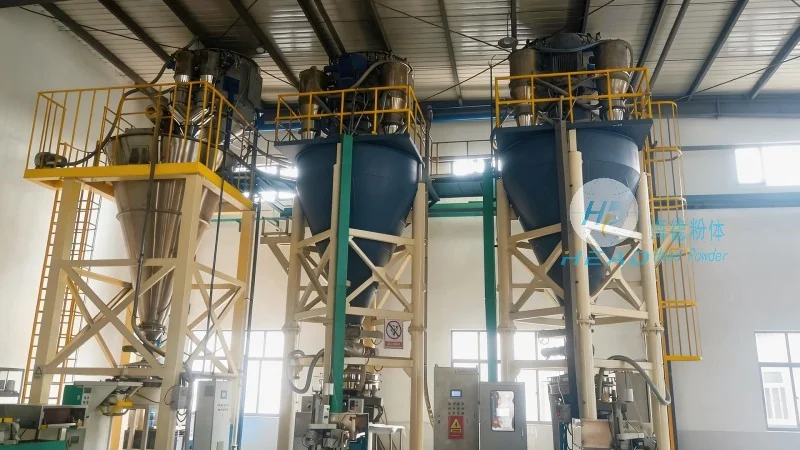
Polycrystalline silicon material handling equipment is widely applied in photovoltaic production processes. It is commonly used in polycrystalline silicon ingot manufacturing, transporting material from storage to melting and casting stages. The equipment also supports silicon wafer processing, moving material from cutting and polishing to subsequent steps. Benefits include improved production efficiency, reduced labor costs, and enhanced safety. Automation of material handling increases productivity and lowers operational costs, making it a valuable investment for photovoltaic manufacturing facilities.