

Operation Process and Working Principle of Clay Ash Material Conveying Lines
Clay ash material conveying lines are essential components in industrial processing, particularly in the handling and transportation of clay ash materials. Understanding the operation process and working principle of these systems is crucial for optimizing efficiency and ensuring safe material transport. This article provides a detailed overview of the key aspects involved in the operation of clay ash material conveying lines, highlighting the technical aspects and practical applications.

Introduction to Clay Ash Material Conveying Lines
Clay ash material conveying lines are engineered systems designed to transport clay ash materials from one location to another within industrial facilities. These systems are commonly used in industries such as cement production, mining, and waste management, where the efficient handling of bulk materials is critical. The design and operation of these lines are tailored to meet specific material characteristics, such as particle size, moisture content, and density, ensuring reliable and continuous material flow.
Key Components of Clay Ash Material Conveying Lines
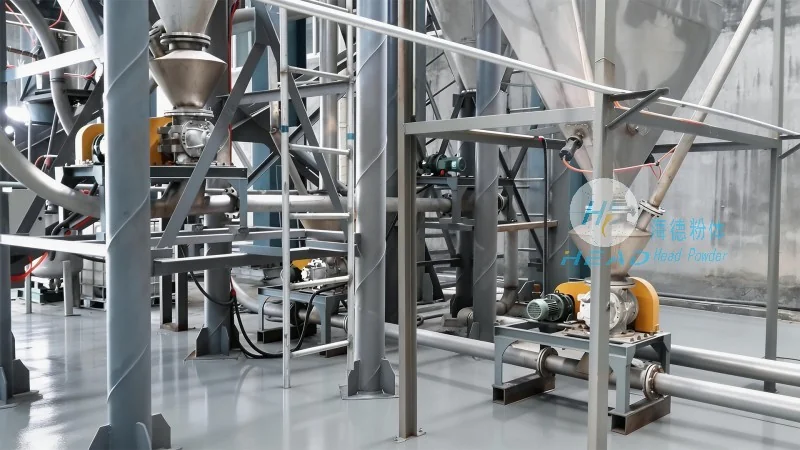
The operation of clay ash material conveying lines relies on several key components that work in tandem to achieve efficient material transport. These components include feeders, conveyors (such as belt conveyors, screw conveyors, or pneumatic conveyors), control systems, and safety devices. Each component plays a vital role in the overall performance of the conveying line, contributing to the smooth and uninterrupted movement of clay ash materials.
Operation Process of Clay Ash Material Conveying Lines
The operation process of clay ash material conveying lines typically involves several sequential steps. First, the clay ash material is fed into the system through a feeder, which regulates the flow rate and ensures a consistent supply of material. The material then moves through the conveyor system, which may include multiple sections or stages depending on the distance and elevation changes. As the material travels, it is continuously monitored by sensors and control systems to maintain optimal operating conditions. Finally, the material is discharged at the destination point, completing the conveying process.

Working Principle of Clay Ash Material Conveying Lines
The working principle of clay ash material conveying lines is based on mechanical or pneumatic forces that move the material along the conveying path. For mechanical conveyors, such as belt conveyors or screw conveyors, the material is moved by the rotation of conveyor belts or screws, which exert a pulling force on the material particles. In pneumatic conveyors, the material is transported using air pressure, where the material is suspended in a stream of air and carried to the destination. The choice of conveyor type depends on factors such as material properties, distance, and cost considerations.
Factors Affecting the Performance of Clay Ash Material Conveying Lines
The performance of clay ash material conveying lines is influenced by several factors, including material characteristics, system design, and operational conditions. Material characteristics such as particle size, moisture content, and abrasiveness can affect the friction and flow behavior of the material, impacting the efficiency of the conveying process. System design, including the type of conveyor, length, and inclination, must be optimized to accommodate these material properties and ensure smooth operation. Operational conditions, such as maintenance schedules and control settings, also play a critical role in maintaining the performance and reliability of the conveying line.
Applications of Clay Ash Material Conveying Lines
Clay ash material conveying lines are widely used in various industrial applications, including cement production, where clay ash is used as a raw material for cement manufacturing. In mining operations, these systems are used to transport clay ash from mining sites to processing facilities. Additionally, they are employed in waste management and recycling industries for the handling of clay ash generated from industrial processes. The versatility of clay ash material conveying lines makes them suitable for a wide range of industrial applications, contributing to the efficient processing and utilization of clay ash materials.
Maintenance and Safety Considerations for Clay Ash Material Conveying Lines
Maintenance and safety are critical aspects of operating clay ash material conveying lines to ensure their longevity and safe operation. Regular maintenance, including inspections of conveyor components, lubrication of moving parts, and cleaning of material buildup, is essential to prevent equipment failure and downtime. Safety considerations include the installation of protective guards, emergency stop systems, and monitoring of material flow to prevent accidents and ensure worker safety. Proper maintenance and safety measures not only enhance the performance of the conveying line but also reduce operational costs and improve overall efficiency.
About Shandong HeadPowder Engineering Co., Ltd.
Shandong HeadPowder Engineering Co., Ltd., commonly known as headpowder, is a leading manufacturer and supplier of industrial material handling equipment, including clay ash material conveying lines. With a strong focus on innovation and quality, headpowder provides customized solutions tailored to the specific needs of industrial clients. The company's expertise in material handling systems ensures that clients receive reliable and efficient equipment that meets their operational requirements. Headpowder is committed to delivering high-quality products and services, supporting industrial clients in optimizing their material handling processes and improving overall productivity.