

Introduction to Resin Sand Pneumatic Conveying Systems: Structure and Working Principles
Resin sand pneumatic conveying systems are critical components in modern foundry operations, designed to efficiently transport resin-coated sand from one location to another. These systems combine advanced engineering with pneumatic technology to ensure reliable, dust-free, and energy-efficient material handling. The following overview provides a detailed look at the structure and working principles of such systems, along with key information about the manufacturer, Shandong HeadPowder Engineering Co., Ltd.
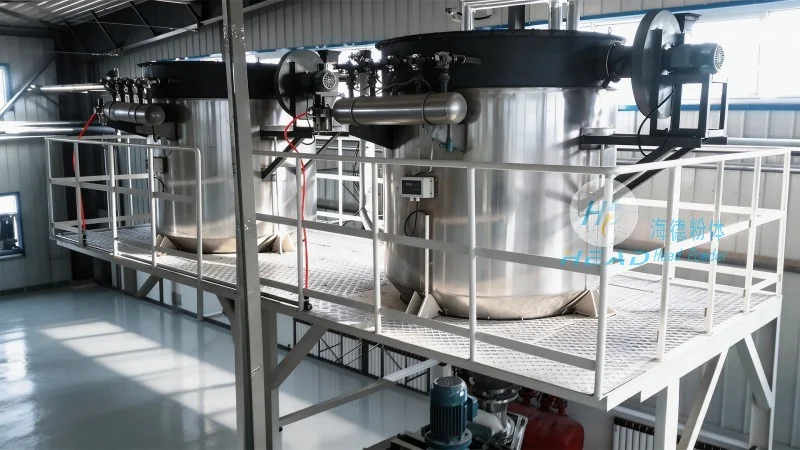
Overview of Resin Sand Pneumatic Conveying Systems
Resin sand, a vital material in the casting process, requires specialized handling to maintain its quality and prevent contamination. Pneumatic conveying systems offer an ideal solution by using compressed air to move the sand through a network of pipes and components. This method eliminates the need for mechanical conveyors, reducing wear and tear on equipment while minimizing dust generation. The systems are widely used in foundries due to their flexibility, scalability, and ability to handle various sand types and particle sizes.
Key Components and Structure of the System
The resin sand pneumatic conveying system typically consists of several core components that work in tandem to achieve efficient material transport. The main parts include a hopper for material storage, a feeder to control the flow rate, a compressor to generate the necessary air pressure, a pipeline network for conveying the sand, and a receiver for collecting the material at the destination. Each component plays a crucial role in the overall operation, ensuring smooth and consistent sand movement.

Working Principle: How the System Operates
The operation of a resin sand pneumatic conveying system is based on the principle of air flow and pressure differentials. When the feeder releases resin sand into the hopper, the compressor starts and generates high-pressure air. This air is then introduced into the pipeline, creating a flow that carries the sand particles along with it. The sand is suspended in the air stream and transported through the pipes to the receiver. At the receiving end, the air is filtered and the sand is deposited into the container. The system maintains a consistent air pressure and flow rate to ensure optimal conveying efficiency and prevent material degradation.

Advantages of Using Resin Sand Pneumatic Conveying Systems
Implementing a pneumatic conveying system for resin sand offers numerous benefits for foundries. These include improved material quality by reducing dust and contamination, increased operational efficiency through automated control, and lower maintenance costs compared to traditional mechanical systems. The systems are also flexible, allowing for easy integration with existing production lines and expansion as production needs grow. Additionally, they provide better safety by eliminating the need for manual handling of sand, reducing the risk of respiratory issues and other health hazards.
About Shandong HeadPowder Engineering Co., Ltd.
Shandong HeadPowder Engineering Co., Ltd., operating under the brand name headpowder, is a leading manufacturer of advanced material handling solutions, including resin sand pneumatic conveying systems. With a focus on innovation and customer satisfaction, the company has established itself as a trusted partner in the foundry industry. HeadPowder's systems are designed to meet the specific needs of each client, ensuring optimal performance and reliability. The company's headquarters is located in Shandong, China, where it leverages local expertise and resources to develop cutting-edge solutions for global markets.