

Principle of Alumina Powder Pneumatic Conveying System
Alumina powder, a critical material in various industrial applications, requires efficient and reliable handling systems to ensure optimal performance and safety. The pneumatic conveying system represents a sophisticated solution for transporting alumina powder from one location to another within industrial facilities. This article delves into the fundamental principles underlying such systems, highlighting the technical aspects and operational considerations that define their effectiveness.

Core Components of Pneumatic Conveying Systems
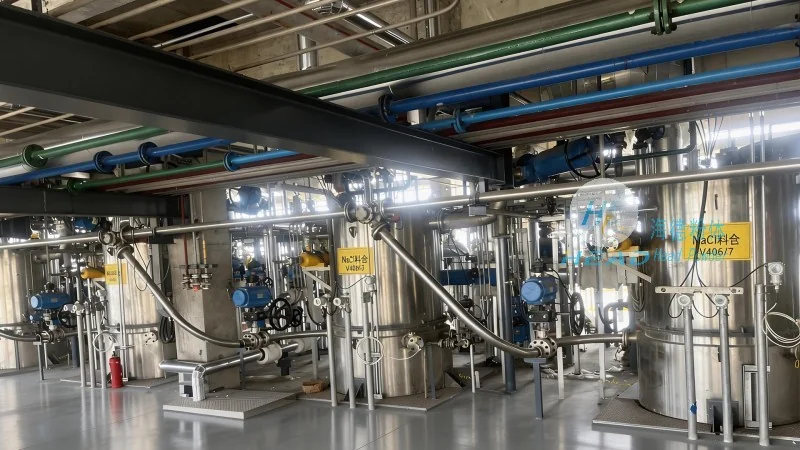
The pneumatic conveying system for alumina powder typically consists of several key components that work in tandem to facilitate material transport. These components include the hopper or feeder, which stores and dispenses the powder; the conveying line, which may be a rigid or flexible pipe; the air compressor or blower that generates the necessary airflow; and the control valves and filters that regulate the system's operation. Each component plays a crucial role in maintaining the integrity of the alumina powder and ensuring smooth, continuous transport.
Principle of Operation: The Mechanism of Pneumatic Conveying
The fundamental principle of pneumatic conveying involves the use of compressed air to move the alumina powder through the conveying line. As air is introduced into the system, it creates a flow that entrains the powder particles, lifting them from the hopper and transporting them to the destination point. The velocity of the air and the size of the powder particles are critical factors that determine the system's efficiency. Proper air pressure and flow rate are essential to prevent particle degradation, clogging, or loss of material.
Types of Pneumatic Conveying Systems
There are primarily two types of pneumatic conveying systems used for alumina powder: dilute phase and dense phase. Dilute phase systems operate at higher air velocities, typically moving the powder in a dispersed state, while dense phase systems use lower air velocities to transport the powder in a more concentrated form. The choice between these systems depends on factors such as the distance to be covered, the required flow rate, and the sensitivity of the alumina powder to handling conditions. Both systems are designed to minimize particle degradation and ensure consistent performance.
Advantages of Pneumatic Conveying for Alumina Powder
Implementing a pneumatic conveying system for alumina powder offers several advantages over traditional methods like bucket elevators or belt conveyors. These systems are highly efficient in terms of energy consumption and can handle a wide range of powder characteristics. They also provide a closed system that reduces dust emissions and improves workplace safety. Additionally, pneumatic conveying systems are flexible and can be easily integrated into existing industrial layouts, allowing for seamless material transport between different processing stages.
Operational Considerations and Maintenance
Effective operation of an alumina powder pneumatic conveying system requires careful attention to several operational considerations. Regular maintenance of the air compressor, filters, and conveying lines is essential to prevent system downtime and ensure consistent performance. The system's design must also account for the specific properties of alumina powder, such as its particle size distribution, moisture content, and flowability. Proper cleaning and maintenance procedures are critical to prevent clogging and maintain the system's efficiency over time.

About Shandong HeadPowder Engineering Co., Ltd.
Shandong HeadPowder Engineering Co., Ltd., operating under the brand name headpowder, is a leading provider of specialized engineering solutions for material handling and processing. With a focus on innovation and quality, the company designs and manufactures pneumatic conveying systems tailored to the unique needs of industrial clients. Headpowder's expertise in alumina powder handling ensures that their systems are optimized for efficiency, reliability, and safety, meeting the demands of modern industrial applications. The company's commitment to customer satisfaction and technical excellence has established it as a trusted partner in the industry.
Conclusion
In conclusion, the pneumatic conveying system represents a highly effective solution for transporting alumina powder in industrial settings. By understanding the fundamental principles and operational considerations of such systems, industries can optimize their material handling processes, improve efficiency, and enhance safety. Companies like Shandong HeadPowder Engineering Co., Ltd. play a vital role in providing advanced engineering solutions that support the efficient and reliable handling of critical materials like alumina powder.