

Large-Scale Powder Handling Systems: Understanding Their Design Principles
Large-scale powder handling systems are critical infrastructure in numerous industrial sectors, enabling the efficient and safe transport of bulk powders. These systems are designed to manage substantial volumes of material, often under challenging conditions such as high temperatures, high pressures, or abrasive environments. Commonly used in industries like pharmaceuticals, food processing, and chemical manufacturing, they play a pivotal role in ensuring consistent supply chains and maintaining product quality. The design of these systems is a complex engineering process, requiring careful consideration of material properties, operational requirements, and safety regulations to achieve optimal performance and reliability.

Key Components and Their Functions
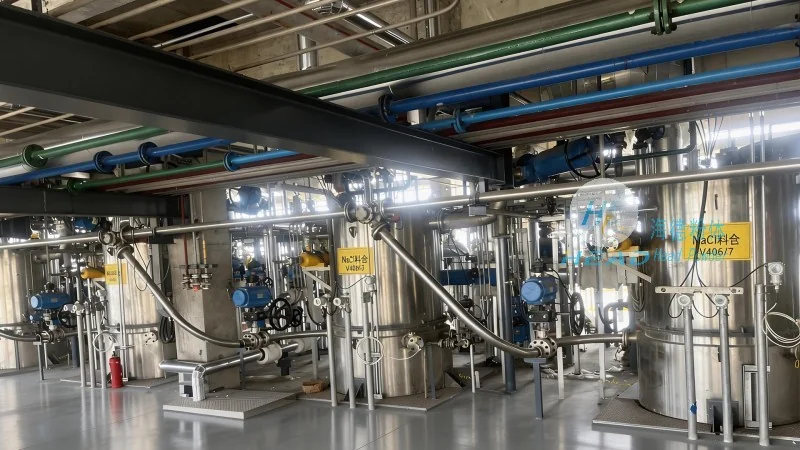
The foundation of any large-scale powder handling system consists of several interconnected components that work together to facilitate material movement. The primary elements include feeders, conveyors, storage silos, and control systems. Feeders, such as rotary airlocks or vibratory feeders, regulate the flow of powder from storage silos to the conveyor network. Conveyors, which may be pneumatic (air-driven) or mechanical (belt-driven), transport the powder through pipelines or enclosed ducts. Storage silos are used to store large quantities of powder, providing a buffer for consistent supply and reducing the need for frequent deliveries. Control systems, often integrated with sensors and automation technology, monitor and adjust flow rates, pressure, and other parameters to maintain system stability and prevent issues like blockages or overfilling. Each component is carefully selected and configured to meet the specific needs of the application, ensuring seamless operation.
Design Principles for Optimal Performance
The design of large-scale powder handling systems follows several key principles aimed at maximizing efficiency, safety, and durability. One critical principle is the preservation of material integrity, which is vital for industries where powder quality directly impacts product performance. Engineers incorporate features like smooth surfaces, gentle material handling, and airtight seals to minimize friction, impact, and exposure to air, thereby reducing degradation. Another essential principle is the prevention of dust explosions, a major safety hazard in powder handling environments. This is achieved through the use of explosion-proof equipment, proper ventilation systems, and grounding mechanisms to dissipate static electricity. Additionally, the design emphasizes energy efficiency, with systems optimized to reduce power consumption while maintaining high throughput. The integration of automation and real-time monitoring further enhances operational efficiency by enabling predictive maintenance and rapid response to system anomalies. These principles collectively ensure that the system operates reliably and safely over its lifespan.

Industrial Applications and Case Studies
Large-scale powder handling systems are applied across a wide range of industrial settings, each tailored to the unique requirements of the material and process. In the pharmaceutical industry, for instance, these systems are used to handle active pharmaceutical ingredients (APIs) and excipients with extreme precision, ensuring consistent dosing and compliance with regulatory standards. The food processing sector relies on them for transporting ingredients like flour, sugar, and spices, maintaining hygiene and preventing contamination. In chemical manufacturing, the systems handle raw materials such as catalyst powders or reagents, supporting large-scale production processes. Each application benefits from the system's ability to handle large volumes while maintaining strict quality and safety standards. Case studies from various industries demonstrate the effectiveness of these systems in improving operational efficiency, reducing downtime, and enhancing product consistency. For example, a pharmaceutical company implemented a large-scale powder handling system that increased production throughput by 20% while reducing material waste by 15%, highlighting the significant advantages of advanced powder handling solutions.

Advantages of Modern Powder Handling Solutions
Modern large-scale powder handling systems offer several advantages over traditional methods, making them a preferred choice for industries dealing with bulk powders. One major advantage is the reduction in labor costs, as automated systems minimize the need for manual handling and reduce the risk of human error. The systems also enhance safety by eliminating direct human contact with hazardous powders and reducing the likelihood of dust-related accidents. Furthermore, the integration of advanced control technologies allows for precise regulation of flow rates and pressure, leading to improved product consistency and reduced waste. The durability of these systems, constructed with high-quality materials and robust engineering, ensures long-term reliability and low maintenance costs. Overall, these advantages make large-scale powder handling systems a cost-effective and efficient solution for industries seeking to optimize their material handling processes.