

What is Material Handling for Desulfurization and Denitrification Agents? And What Are the Design Pr
Material handling for desulfurization and denitrification agents is a critical aspect of industrial processes aimed at reducing air pollutants from power plants and other facilities. The efficient transport and management of these chemical agents are essential for maintaining optimal performance and environmental compliance. This article explores the key considerations and design principles behind the material handling systems used for such agents, with a focus on the expertise of Shandong HeadPowder Engineering Co., Ltd., a leading provider in the field based in Shandong, China.

Understanding Desulfurization and Denitrification Agents
Desulfurization and denitrification agents are chemical compounds used in flue gas treatment systems to remove sulfur dioxide (SO₂) and nitrogen oxides (NOₓ) from exhaust gases. These agents, often in powder or slurry form, require specialized handling due to their reactivity and potential to cause corrosion or other operational challenges. The primary goal of material handling systems is to ensure safe, reliable, and efficient transport from storage to the point of use within the treatment process.
The Importance of Proper Material Handling
Effective material handling for desulfurization and denitrification agents directly impacts the overall efficiency and cost-effectiveness of the flue gas treatment system. Inadequate handling can lead to material degradation, equipment wear, and increased maintenance costs. Moreover, it may compromise the treatment efficiency, resulting in higher emissions of pollutants. Therefore, a well-designed material handling system is crucial for minimizing operational risks and ensuring consistent performance.
Key Design Principles for Material Handling Systems
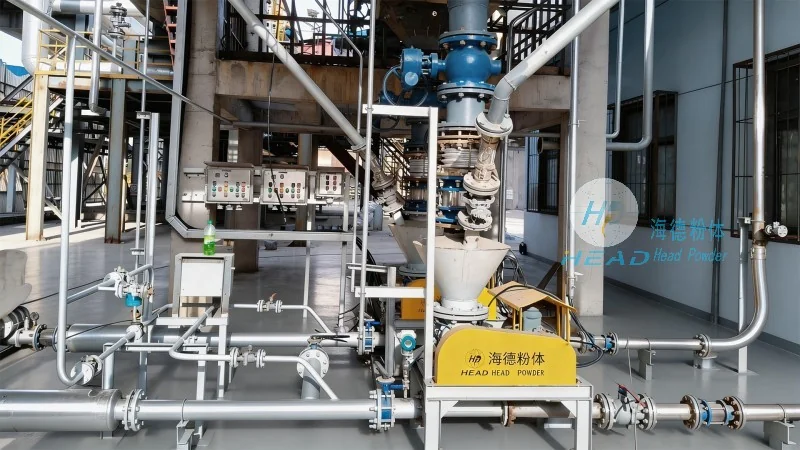
Designing a material handling system for desulfurization and denitrification agents involves several critical principles that address the unique challenges of these chemicals. First, the system must be constructed from materials resistant to corrosion and chemical attack, such as stainless steel or specialized alloys, to prevent degradation over time. Second, the flow rate and pressure requirements must be carefully considered to maintain consistent agent delivery to the reaction units. Third, the system should incorporate appropriate safety features, including leak detection, containment measures, and emergency shutdown capabilities, to mitigate potential hazards.
Equipment Selection and Integration
Various equipment is used in material handling systems for desulfurization and denitrification agents, including silos, conveyors, pumps, and storage tanks. The selection of each component depends on factors such as the agent's physical properties (e.g., particle size, moisture content), the required flow rate, and the system's layout. For example, pneumatic conveyors may be used for dry powders, while slurry pumps are suitable for liquid or semi-liquid agents. Integration of these equipment pieces into a cohesive system requires careful planning to ensure smooth operation and minimal downtime.

Operational Considerations and Maintenance
Once the material handling system is installed, proper operation and regular maintenance are essential for sustained performance. This includes monitoring flow rates, checking for leaks or blockages, and performing routine inspections of equipment components. Additionally, the system should be designed with accessibility in mind to facilitate maintenance tasks without disrupting the overall process. By adhering to these operational guidelines, facilities can maximize the lifespan of their material handling equipment and maintain the integrity of the desulfurization and denitrification process.
Conclusion
Material handling for desulfurization and denitrification agents is a complex but vital component of modern air pollution control systems. The design principles outlined above, combined with the expertise of companies like Shandong HeadPowder Engineering Co., Ltd., ensure that these systems operate efficiently and reliably. By prioritizing corrosion resistance, proper flow control, and safety features, facilities can achieve optimal performance while minimizing operational risks and costs. As the demand for cleaner air continues to grow, the importance of well-designed material handling systems for desulfurization and denitrification agents will only increase, making it a critical area of focus for industrial engineering and environmental compliance.