

Principle and Working Scene Characteristics of Soybean Grain Pneumatic Conveying Lines
HeadPowder, a leading manufacturer based in Shandong, China, specializes in the design and production of advanced pneumatic conveying systems for grain handling, including soybean processing. This article explores the fundamental principles behind these systems and highlights key operational characteristics in various working scenarios.

The Working Principle of Pneumatic Conveying Systems
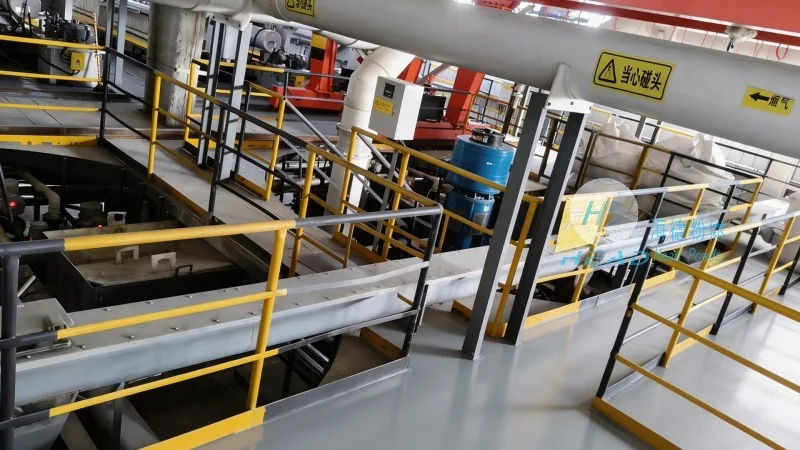
Pneumatic conveying lines for soybean and other grains operate on the principle of using air to transport bulk materials through a closed pipeline system. The process typically involves a combination of positive and negative pressure or a vacuum to move the material from the source to the destination. The system consists of several key components, including a hopper for material storage, a feeder to control the flow rate, a conveying line (often made of stainless steel or other corrosion-resistant materials), and a receiver for the discharged material. The air flow is generated by a blower or fan, which creates the necessary pressure differential to move the grains. This method offers several advantages over traditional mechanical conveyors, such as reduced maintenance, lower energy consumption, and the ability to handle materials that are dusty or have a high moisture content.
Key Working Scene Characteristics
The application of soybean grain pneumatic conveying lines varies across different industries and operational environments. Understanding these characteristics is crucial for selecting the right system for specific needs.

Industrial Processing Plants
In large-scale soybean processing facilities, such as oil mills or protein extraction plants, pneumatic conveying systems are essential for transporting raw soybeans from storage silos to processing equipment. The high capacity and continuous operation of these systems ensure a steady supply of raw material, which is critical for maintaining production efficiency. The systems are designed to handle large volumes of soybeans, often with capacities ranging from several tons per hour to over 100 tons per hour, depending on the plant's scale. The enclosed pipeline design minimizes dust exposure and improves safety in the processing environment, which is a significant advantage in food processing applications.
Storage and Handling Facilities
In grain storage and handling centers, pneumatic conveying lines are used to transfer soybeans between different storage silos or from storage to loading trucks. The flexibility of these systems allows for the movement of material over long distances, often with multiple transfer points. This is particularly useful in facilities where the layout is complex, and traditional conveyors may not be feasible. The systems can be configured with multiple branches, enabling the distribution of soybeans to various processing lines or storage areas. The ability to operate under different pressure conditions (positive or negative) provides versatility in handling different types of materials and varying operational requirements.
Transportation and Logistics
For soybean transportation, pneumatic conveying systems are employed in loading and unloading operations at ports or terminals. The systems can efficiently transfer soybeans from ships or trucks into storage silos or directly to processing plants. This method reduces the need for manual handling and improves the speed of loading/unloading, which is vital for maintaining supply chain efficiency. The enclosed nature of the system also helps in preventing contamination and loss of product quality during transit.
Advantages and Considerations
While pneumatic conveying offers numerous benefits, there are also considerations to keep in mind when implementing such systems. The initial investment cost can be higher compared to mechanical conveyors, but the long-term operational savings and reduced maintenance make it a cost-effective solution. The system's performance is highly dependent on the material's properties, such as particle size, moisture content, and bulk density. Proper system design and material testing are essential to ensure optimal performance and prevent issues like blockages or excessive wear. Additionally, the air flow rate and pressure must be carefully controlled to maintain efficient and safe operation.
Conclusion
Soybean grain pneumatic conveying lines, as provided by Shandong HeadPowder Engineering Co., Ltd., represent a sophisticated and efficient solution for handling bulk soybean materials. By understanding the working principles and operational characteristics, users can select and implement the most suitable system for their specific applications, ensuring optimal performance, safety, and cost-effectiveness in grain processing and handling operations.