

Principle and Working Scene Characteristics of Potassium Carbonate Fertilizer Material Handling Syst
HeadPowder, a leading engineering firm based in Shandong, China, specializes in the design and implementation of advanced material handling systems tailored for the fertilizer industry. This article delves into the core principles and operational characteristics of a specialized system for transporting potassium carbonate fertilizer, a critical component in modern agricultural applications.
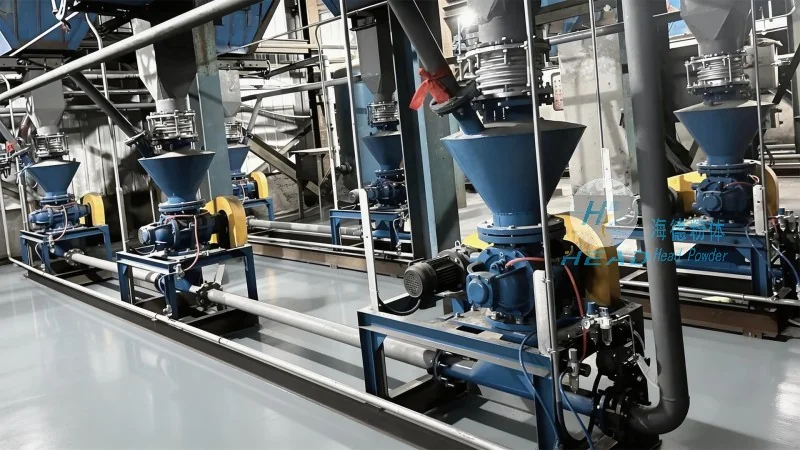
System Principle: Efficient Material Transport and Handling
The potassium carbonate fertilizer material handling system operates on a robust mechanical foundation, integrating components such as conveyor belts, feeding mechanisms, and control systems to ensure seamless material movement from storage to processing or packaging stages. The system is engineered to handle the unique physical properties of potassium carbonate, including its granular or crystalline structure, ensuring minimal degradation and optimal flow characteristics. Key to its functionality is the precise control of speed and pressure, which prevents material blockages and maintains consistent throughput. The design incorporates safety features and maintenance-friendly components, aligning with industrial standards to enhance operational reliability.

Working Scene Characteristics: Tailored for Fertilizer Production Environments
The system is specifically optimized for industrial fertilizer production facilities, where efficiency and scalability are paramount. In such environments, the system must accommodate high-volume material handling, often operating continuously over extended periods. The working scene characteristics include a focus on durability and resistance to corrosive or abrasive conditions commonly encountered in fertilizer processing. The system’s modular design allows for easy integration with existing production lines, minimizing downtime during installation and upgrades. Additionally, the system is designed to support various operational modes, such as batch processing or continuous flow, adapting to the dynamic needs of fertilizer manufacturing. The working environment also demands adherence to safety regulations, which the system addresses through enclosed conveyor systems and automated control interfaces that reduce human exposure to hazardous materials.
Application Scenarios: Enhancing Production Efficiency in Fertilizer Plants
HeadPowder’s potassium carbonate fertilizer material handling system is deployed in diverse production scenarios within fertilizer plants. These include the transfer of raw potassium carbonate from bulk storage silos to processing units, the movement of intermediate products between grinding and packaging stages, and the handling of finished fertilizer products for loading into containers. Each application scenario leverages the system’s adaptability to handle varying material sizes and moisture content, ensuring that the material remains in optimal condition throughout the handling process. The system’s performance is measured by its ability to maintain consistent material flow rates, reduce material loss, and support the overall production capacity of the facility. By integrating advanced control technologies, the system provides real-time monitoring and adjustment capabilities, enabling operators to optimize performance and respond quickly to operational changes.

Technical Advantages and Industry Compliance
The system’s technical advantages extend beyond basic material transport, including energy efficiency through optimized motor control, reduced maintenance costs due to durable components, and enhanced safety features that align with international safety standards. HeadPowder ensures that all systems comply with local and international regulations regarding material handling and environmental protection. The engineering approach emphasizes sustainability by minimizing waste and maximizing material utilization, which is critical in the fertilizer industry where resource efficiency is a key competitive factor. The system’s modular and scalable design allows for future expansion as production needs grow, providing long-term value to clients. Through rigorous testing and validation, the system meets the demanding requirements of industrial applications, ensuring reliable and consistent performance over extended operational lifetimes.