

Principle and Working Scene Characteristics of Copper Powder Material Pneumatic Conveying Lines
HeadPowder, a leading engineering company based in Shandong, China, specializes in the design and implementation of advanced pneumatic conveying systems tailored for copper powder material handling. These systems represent a sophisticated solution for efficiently transporting fine copper powders, which are widely used in various industrial applications such as electronics, metallurgy, and manufacturing. The core principle of pneumatic conveying involves using compressed air or other gas streams to move bulk materials through a pipeline network, offering a flexible and efficient alternative to traditional mechanical conveying methods.

The Working Principle of Copper Powder Pneumatic Conveying Lines
The operation of copper powder pneumatic conveying lines is based on the fundamental principle of fluidization and drag. In this system, a fan or blower generates a high-pressure air stream that is introduced into the conveying line. As the air flows through the pipeline, it interacts with the copper powder particles, creating a suspension of material in the air. This suspension is then propelled through the pipeline to the destination point, such as a storage silo, processing unit, or packaging station. The key components of a typical copper powder pneumatic conveying system include the air supply unit (fan/blower), the conveying pipeline, dust collection equipment, and control systems. The air pressure and flow rate are carefully controlled to ensure optimal material transport, minimizing particle degradation and ensuring consistent flow rates. The system is designed to handle the unique properties of copper powder, such as its fine particle size, which can lead to issues like agglomeration or caking if not managed properly. Advanced control algorithms and sensors are integrated to monitor parameters like pressure, flow, and particle concentration, allowing for real-time adjustments to maintain system efficiency and material quality.

Key Working Scene Characteristics of Copper Powder Pneumatic Conveying Systems
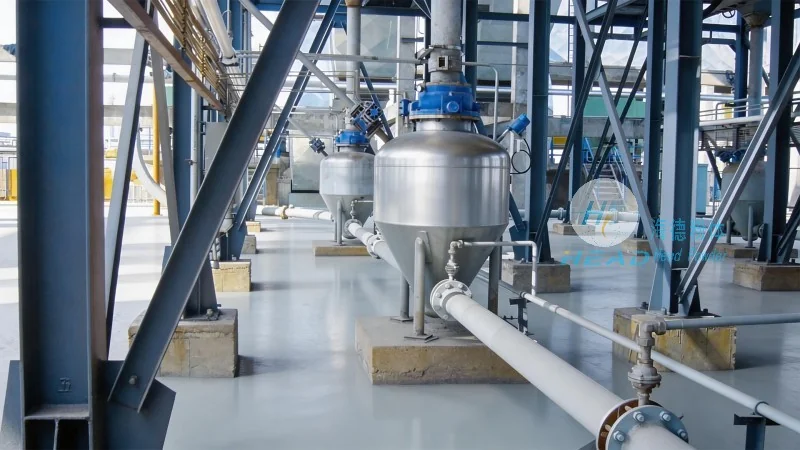
The working scene characteristics of copper powder pneumatic conveying systems are tailored to meet the specific demands of industrial environments where copper powder is processed. These systems are typically deployed in settings that require high-purity material handling, minimal contamination, and efficient space utilization. For instance, in electronics manufacturing, where copper powder is used in the production of printed circuit boards (PCBs), the conveying system must ensure that the powder remains free of contaminants and maintains its fine particle characteristics. This is crucial for achieving the desired electrical conductivity and surface finish in the final products. In metallurgical applications, such as copper smelting or refining, the system may need to handle larger volumes of copper powder and operate under higher temperatures or pressure conditions. The design of the conveying line, including the choice of pipeline material (e.g., stainless steel or special alloys to resist corrosion from copper compounds) and the configuration of the air supply and control units, is critical to ensuring long-term reliability and performance. Additionally, the system is often integrated with downstream processing equipment, such as mixers or extruders, to streamline the production workflow. The flexibility of pneumatic conveying allows for the integration of multiple conveying lines from different sources to a single destination, enabling efficient material distribution across a production facility. This modular approach makes it possible to adapt the system to changing production needs, such as scaling up or down based on demand fluctuations.
Advantages and Practical Applications in Industrial Settings
When compared to traditional mechanical conveying methods like screw conveyors or belt conveyors, copper powder pneumatic conveying systems offer several distinct advantages. One of the primary benefits is the ability to handle fine, dusty materials without the risk of blockages or material degradation. The air-based transport minimizes friction and impact on the particles, preserving their size and shape, which is essential for applications where particle size distribution directly impacts product performance. Another advantage is the reduced risk of cross-contamination, as the system operates in a closed pipeline environment, preventing exposure to external contaminants. This is particularly important in industries like pharmaceuticals or food processing, where material purity is paramount. Furthermore, pneumatic conveying systems can be easily integrated with automation and control systems, enabling remote monitoring and operation. This enhances operational efficiency and reduces the need for manual intervention, leading to lower labor costs and improved safety. In practical terms, these systems are widely used in the copper powder industry for tasks such as transporting raw copper powder from storage silos to processing lines, conveying finished copper powder to packaging units, and even for recycling applications where copper powder is recovered from waste materials. The ability to handle both dry and slightly moist copper powders makes the system versatile, accommodating various production scenarios. For example, in a copper smelting plant, the system may be used to transport copper ore or copper concentrate to the furnace, while in a copper powder manufacturing facility, it is used to move the finished powder to the next stage of production. The adaptability of the system to different material properties and production scales makes it a preferred choice for many industrial applications.