

Principle and Working Scene Characteristics of a Lime Powder Material Pneumatic Conveying Machine
HeadPowder, a leading manufacturer in the field of material handling solutions, specializes in the design and production of pneumatic conveying systems tailored for various industrial applications. This article focuses on the principle and working scene characteristics of a lime powder material pneumatic conveying machine, highlighting its operational efficiency and versatility in handling fine powders like lime powder.

Introduction to Lime Powder Pneumatic Conveying Systems
Lime powder, a common industrial material used in construction, agriculture, and chemical processes, requires efficient and reliable transportation methods to maintain product quality and minimize dust exposure. Pneumatic conveying machines offer a solution by utilizing air pressure to transport dry powders through a sealed system, ensuring a clean and controlled environment. The HeadPowder pneumatic conveying machine for lime powder is engineered to meet the specific demands of lime powder handling, combining advanced technology with robust construction to deliver optimal performance.
The Core Principle of Pneumatic Conveying
The fundamental principle of pneumatic conveying involves the use of compressed air to create a flow that transports the material through a pipeline. In the case of a lime powder pneumatic conveying machine, the system operates by drawing the lime powder into a hopper, where it is then fed into a pipeline under pressure. The air flow, generated by a blower or compressor, propels the powder particles through the system, ensuring consistent and continuous movement. This method eliminates the need for mechanical components like belts or screws, reducing maintenance and increasing operational reliability.

Key Components and Their Functions
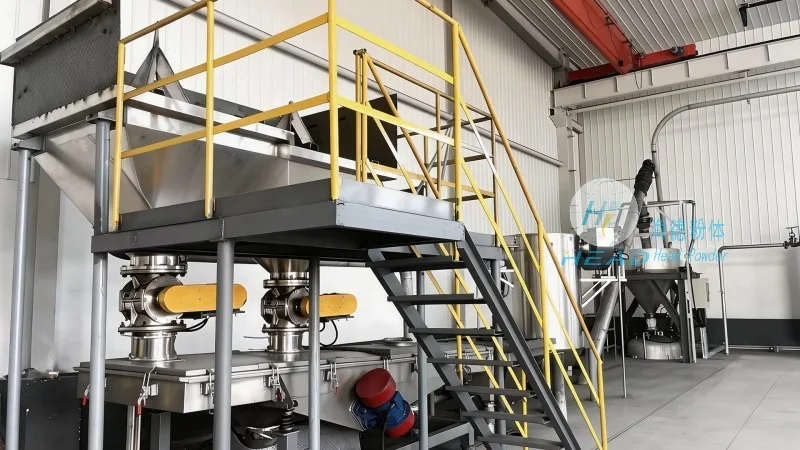
The HeadPowder lime powder pneumatic conveying machine consists of several critical components that work in harmony to achieve efficient material transport. These include a hopper for material storage, a rotary valve or feeder to control the material flow, a blower or compressor to generate the air pressure, a pipeline system for material transport, and a receiver or discharge unit for material collection. Each component is designed to handle the specific characteristics of lime powder, such as its fine particle size and potential for dust generation, ensuring minimal product loss and maximum system efficiency.
Working Scene Characteristics and Applications
The working scene characteristics of a lime powder pneumatic conveying machine are tailored to the diverse industrial environments where lime powder is used. These systems are commonly employed in construction sites for transporting lime for mortar and plaster applications, in agricultural settings for lime application in soil treatment, and in chemical plants for processing lime in various production processes. The machine's ability to handle fine powders without clogging or blockages makes it suitable for high-volume applications, where consistent material flow is essential. Additionally, the sealed system design minimizes dust emissions, adhering to environmental regulations and ensuring a safer working environment for personnel.

Advantages of Using a Lime Powder Pneumatic Conveying Machine
Implementing a pneumatic conveying system for lime powder offers several advantages over traditional methods like bucket elevators or conveyor belts. Firstly, the system provides a dust-free and clean operation, reducing the risk of respiratory issues and improving workplace safety. Secondly, it eliminates the need for manual handling, which can be labor-intensive and increase the risk of product contamination. Thirdly, the sealed pipeline system prevents material loss and ensures that the entire batch is transported to the destination, maximizing material utilization. Finally, the system's compact design allows for easy integration into existing industrial setups, reducing installation time and costs.
Operational Considerations and Maintenance
Proper operation and maintenance of a lime powder pneumatic conveying machine are crucial to ensure long-term performance and reliability. Regular inspection of the blower and compressor for air pressure and flow rates is essential to maintain optimal conveying efficiency. The hopper and feeder components should be checked for blockages or wear, as these can affect material flow consistency. Additionally, the pipeline system should be inspected for any signs of leakage or damage, as air loss can reduce system performance. HeadPowder provides comprehensive maintenance services and spare parts to support customers in maintaining their pneumatic conveying systems, ensuring minimal downtime and maximum operational uptime.
Conclusion
The HeadPowder lime powder material pneumatic conveying machine exemplifies advanced material handling technology, designed to efficiently transport fine powders like lime powder in various industrial applications. By leveraging the principles of pneumatic conveying, this system offers a reliable, dust-free, and cost-effective solution for lime powder transportation. With its robust construction and tailored design, the machine is well-suited for high-volume operations, providing consistent performance and minimal maintenance requirements. HeadPowder Engineering Co., Ltd., based in Shandong, China, continues to innovate in the field of material handling solutions, delivering high-quality products that meet the evolving needs of industrial clients.