

Operation Process and Working Principle of Plug Flow Pneumatic Conveying System Equipment
Plug flow pneumatic conveying systems represent a sophisticated method for transporting bulk materials through a pipeline using compressed air. This technology is widely utilized across various industries, including food processing, pharmaceuticals, and chemical manufacturing, due to its ability to handle a diverse range of materials while maintaining product integrity. The core of this system lies in the formation of "plugs"—distinct, dense columns of material that move through the pipeline in a sequential manner, separated by air pockets. This plug flow mechanism distinguishes it from other pneumatic conveying technologies, such as dilute phase systems, which rely on a more dispersed material-air mixture.

Key Components of a Plug Flow Pneumatic Conveying System
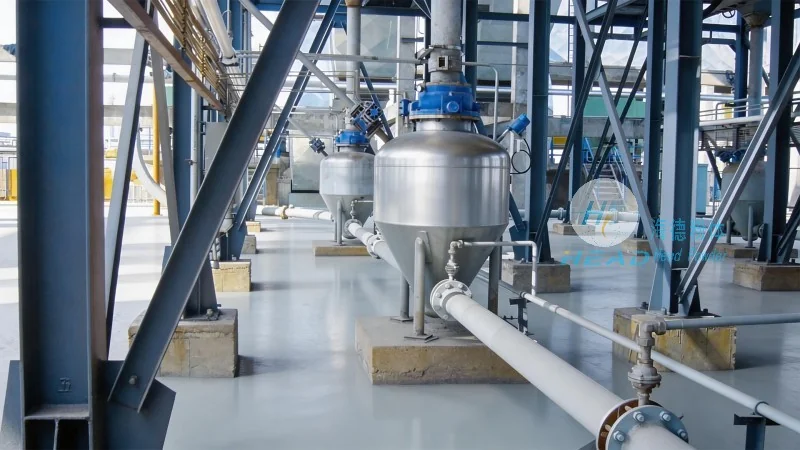
The operation of a plug flow system is facilitated by several critical components that work in concert to ensure efficient material transport. These components typically include a material hopper or feeder, which feeds the bulk material into the system; a compressor or air supply unit that generates the necessary pressure; a pipeline network that carries the material and air; and a receiver or discharge unit where the material is collected. Additionally, the system may incorporate valves, filters, and control mechanisms to regulate the flow and maintain system stability. The design of these components is tailored to the specific characteristics of the material being conveyed, such as particle size, density, and moisture content, to optimize performance.
Working Principle of Plug Flow Pneumatic Conveying
The working principle of a plug flow system is centered on the creation and movement of material plugs. As material is introduced into the pipeline from the feeder, it forms a dense, solid column. This plug is then propelled forward by the pressure of the compressed air, which is introduced at intervals or continuously along the pipeline. The air acts as a driving force, pushing the plug through the system while maintaining its integrity. The separation of plugs by air pockets prevents intermixing and ensures that the material moves in a controlled, sequential manner. This method allows for precise control over the flow rate and pressure, which is crucial for maintaining the quality of the conveyed material and preventing issues such as blockages or degradation.

Operation Process of Plug Flow Pneumatic Conveying Systems
The operation process of a plug flow pneumatic conveying system involves several distinct steps that ensure smooth and efficient material transport. Initially, the bulk material is stored in a hopper or silo and fed into the system via a feeder. The feeder regulates the flow rate of the material, ensuring a consistent supply to the pipeline. Simultaneously, the compressor generates compressed air, which is introduced into the pipeline at the appropriate points. As the material enters the pipeline, it forms a plug, and the air pressure propels this plug forward. The system may include intermediate points where the plug is separated or where additional air is introduced to maintain pressure. The material continues to move through the pipeline until it reaches the receiver, where it is discharged and collected. Throughout this process, sensors and control systems monitor parameters such as pressure, flow rate, and temperature to ensure optimal operation and prevent any deviations from the desired performance.
Advantages of Plug Flow Pneumatic Conveying Systems
Plug flow pneumatic conveying systems offer several advantages over other material handling methods. One of the primary benefits is the ability to handle a wide variety of materials, including those that are abrasive, corrosive, or sensitive to moisture. The enclosed pipeline system prevents contamination and protects the material from external factors, which is particularly important in industries like food and pharmaceuticals. Additionally, the system is highly efficient in terms of energy consumption and space utilization, as it eliminates the need for complex conveyor belts or elevators. The plug flow mechanism also allows for precise control over the material's temperature and moisture content, which is critical for maintaining product quality. Furthermore, the system can be easily integrated with other processing equipment, enabling seamless material transfer within a production line.
Applications and Industries Utilizing Plug Flow Systems
Plug flow pneumatic conveying systems are employed in a diverse range of industries due to their versatility and efficiency. In the food industry, these systems are commonly used to transport powders such as flour, sugar, and spices, ensuring that the products remain fresh and free from contamination. The pharmaceutical industry utilizes plug flow systems to handle active pharmaceutical ingredients (APIs) and other sensitive materials, maintaining strict quality control standards. In the chemical industry, the system is used to transport powders and granules, including those that are hazardous or reactive. Other applications include the handling of minerals, plastics, and agricultural products. The adaptability of plug flow systems makes them a preferred choice for industries that require reliable and consistent material transport solutions.

Maintenance and Operational Considerations for Plug Flow Systems
Proper maintenance and operational considerations are essential to ensure the longevity and efficiency of plug flow pneumatic conveying systems. Regular inspection of components such as the feeder, pipeline, and receiver is necessary to identify and address any potential issues before they escalate. The compressor and air supply unit should be checked for proper pressure and air quality to prevent material degradation or system failure. Filters and separators should be cleaned or replaced regularly to maintain system performance and prevent blockages. Additionally, the system should be monitored for signs of wear and tear, such as pipe corrosion or valve leakage, which can impact the overall operation. Proper training of operators is also crucial to ensure that the system is operated correctly and safely. By adhering to these maintenance and operational guidelines, companies can maximize the lifespan and performance of their plug flow pneumatic conveying systems.
Conclusion
Plug flow pneumatic conveying systems represent a highly effective and versatile method for transporting bulk materials. Through the formation and movement of material plugs, these systems offer precise control over flow rates, pressure, and material quality. The advantages of plug flow systems, including their ability to handle diverse materials and maintain product integrity, make them an essential component in many industrial processes. As technology continues to advance, plug flow systems are likely to remain a key solution for material handling, particularly in industries that demand high standards of efficiency and reliability. The expertise of companies like Shandong HeadPowder Engineering Co., Ltd. in designing and implementing these systems ensures that clients receive tailored solutions that meet their specific operational needs.