

Operation Process and Working Principle of Feather Powder Conveying System Equipment
Feather powder conveying system equipment is a specialized machinery used in the processing and handling of feather powder, a fine particulate material commonly derived from poultry processing byproducts. The efficient operation of such systems is crucial for maintaining consistent product quality, ensuring safe material transport, and optimizing production workflows in industries like feed manufacturing, biofuel production, and waste management. This article provides a detailed overview of the operation process and working principle of these systems, highlighting key components, operational steps, and the technical mechanisms that enable reliable powder handling.

Introduction to Feather Powder Conveying Systems
Feather powder, also known as feather meal or feather meal powder, is a high-protein feed ingredient produced by grinding dried poultry feathers. The powder has a fine particle size, typically ranging from 100 to 200 microns, which makes it susceptible to dust accumulation and requires specialized conveying equipment to transport without degradation or loss. Conveying systems for feather powder must be designed to handle abrasive and potentially hygroscopic materials while minimizing product contamination and ensuring energy efficiency. The equipment from Shandong HeadPowder Engineering Co., Ltd. (commonly referred to as HeadPowder) is engineered to meet these stringent requirements, combining robust construction with advanced control technologies.
Key Components of the Conveying System
The feather powder conveying system typically consists of several interconnected components that work in tandem to transport the material from the source to the destination. The main components include: 1. Feeder Unit: This component is responsible for feeding the feather powder into the conveying system at a controlled rate. It may feature adjustable speed controls to regulate the flow, preventing overloading or underflow that could affect system performance. 2. Pneumatic Conveying Line: The core of the system, this line uses compressed air to transport the powder through a network of pipes. The design may include either positive pressure (blowing air into the line) or negative pressure (sucking air out of the line) methods, depending on the system configuration and material characteristics. 3. Filter and Dust Collection System: To ensure environmental compliance and product safety, the system incorporates filters and dust collection units that capture any airborne particles and return them to the conveying line or store them in a designated container. 4. Control Panel and Monitoring System: An integrated control panel allows operators to monitor system parameters such as pressure, flow rate, and temperature in real-time. It may also include alarm systems to alert personnel of any deviations or malfunctions, ensuring prompt maintenance and minimizing downtime.

Operation Process of the Conveying System
The operation of the feather powder conveying system follows a systematic sequence of steps to ensure smooth and efficient material transport. The process typically begins with the preparation of the feather powder, which is stored in a hopper or silo before being fed into the system. The feeder unit then adjusts its speed to match the required flow rate, ensuring a consistent supply of material to the pneumatic line. Compressed air is then introduced into the line, creating a flow that propels the powder particles through the pipes. The system may include multiple sections, such as transfer points or branch lines, where the powder is directed to different destinations, such as storage silos or processing units. At each transfer point, the system uses specialized valves or rotary joints to maintain the flow direction and prevent backflow. The filter and dust collection system continuously monitors the air quality, capturing any particles that escape and returning them to the conveying line or storing them in a collection bin. The control panel provides real-time feedback on system performance, allowing operators to adjust parameters as needed to maintain optimal operation. The entire process is designed to be automated, with minimal manual intervention required, reducing labor costs and improving operational consistency.
Working Principle of the Pneumatic Conveying Mechanism
The working principle of the feather powder conveying system is based on the physics of fluid dynamics and particle transport. The system utilizes compressed air to create a flow within the conveying line, which carries the powder particles along with it. The key principles involved include: 1. Particle Suspension: The compressed air creates a turbulent flow that suspends the powder particles in the air stream, preventing them from settling or sticking to the pipe walls. This suspension is critical for maintaining a consistent flow rate and preventing material buildup. 2. Velocity and Pressure Control: The velocity of the air and the pressure within the line are carefully controlled to ensure that the powder particles are transported at an optimal speed without causing excessive wear on the system components or degradation of the material. 3. Flow Direction and Transfer: The system uses changes in pipe direction and pressure to direct the flow to different locations. For example, when the line changes direction, the system may use a rotary valve or a venturi to maintain the flow and prevent backflow. 4. Filter and Recirculation: The filter and dust collection system captures any particles that escape the conveying line and returns them to the system, ensuring that the powder is not lost and that the air remains clean. This recirculation process helps maintain the system's efficiency and reduces the need for frequent maintenance.
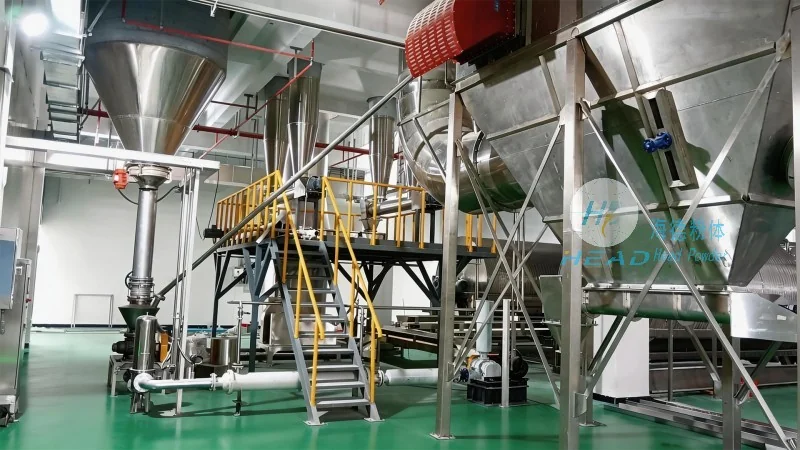
Advantages of the HeadPowder Conveying System
The feather powder conveying system from Shandong HeadPowder Engineering Co., Ltd. offers several advantages over traditional conveying methods, such as belt conveyors or bucket elevators. These advantages include: 1. Reduced Product Contamination: The pneumatic system minimizes contact between the powder and the conveying components, reducing the risk of contamination from metal or other materials. 2. Energy Efficiency: The system is designed to use compressed air efficiently, with adjustable flow rates that reduce energy consumption compared to other methods. 3. Compact Design: The system can be installed in a smaller footprint compared to traditional conveyors, making it suitable for facilities with limited space. 4. Low Maintenance: The components are designed to be durable and resistant to wear, reducing the need for frequent repairs and maintenance. 5. Flexibility: The system can be easily modified to accommodate changes in production volume or material characteristics, providing flexibility for growing businesses.

Maintenance and Troubleshooting
To ensure the long-term reliability and performance of the feather powder conveying system, regular maintenance is essential. The maintenance schedule should include: 1. Filter Cleaning: The filter and dust collection system should be cleaned or replaced regularly to maintain air quality and prevent clogging. 2. Pipe Inspection: The conveying pipes should be inspected for signs of wear or damage, such as corrosion or cracks, and repaired or replaced as needed. 3. Component Replacement: Wearable components, such as valves and seals, should be replaced according to the manufacturer's recommendations to prevent leaks or malfunctions. 4. System Calibration: The control panel and monitoring system should be calibrated regularly to ensure accurate readings and proper operation. Troubleshooting common issues, such as low flow rates or high pressure, may involve checking the air supply, inspecting the filter, or adjusting the feeder speed. By following a regular maintenance schedule and addressing issues promptly, the system can operate efficiently and reliably for many years.
Conclusion
The operation process and working principle of feather powder conveying system equipment are critical to the efficient handling of this fine particulate material. The system from Shandong HeadPowder Engineering Co., Ltd. combines advanced technology with robust construction to provide a reliable and efficient solution for industries that require the transport of feather powder. By understanding the key components, operation process, and working principles of the system, operators can optimize performance, minimize downtime, and ensure product quality. The system's advantages, including reduced contamination, energy efficiency, and flexibility, make it an ideal choice for businesses looking to improve their material handling processes.