

Operation Process and Working Principle of Negative Pressure Vacuum Material Conveying
Shandong HeadPowder Engineering Co., Ltd., commonly known as HeadPowder, is a professional manufacturer and supplier specializing in the design, development, and production of advanced material conveying systems. With a focus on innovative solutions for industrial material handling, the company has established itself as a trusted partner in the field, delivering high-quality equipment tailored to meet the diverse needs of various industries. HeadPowder's commitment to precision engineering and customer satisfaction has positioned it as a key player in the material handling sector, particularly in the realm of vacuum and negative pressure conveying technologies.

Understanding Negative Pressure Vacuum Material Conveying
Negative pressure vacuum material conveying is a sophisticated method of transporting bulk materials from one location to another by creating a vacuum in the conveying line. This vacuum pulls the material through the system, enabling efficient and reliable movement of powders, granules, and other particulate materials. The process leverages the principles of air movement and pressure differentials to achieve seamless material transfer, making it an ideal solution for applications where traditional mechanical conveying methods may be less effective or suitable.
Working Principle of Negative Pressure Vacuum Conveying Systems
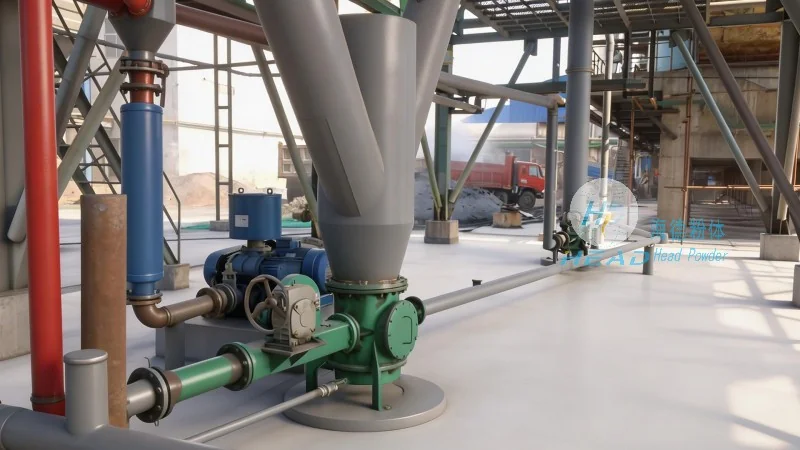
The core of negative pressure vacuum material conveying lies in the creation and maintenance of a low-pressure environment within the conveying line. The system typically consists of a vacuum pump, a filter, a material receiver, and a conveying line. The vacuum pump generates the necessary vacuum, which is then distributed through the line to draw material from the source into the receiver. As material is drawn into the line, it is transported to the destination, where it is released under controlled conditions. The filter plays a crucial role in maintaining system efficiency by trapping dust and particles, ensuring clean air is returned to the environment and preventing contamination of the material being conveyed.

Operation Process of Negative Pressure Vacuum Material Conveying
The operation of a negative pressure vacuum conveying system involves several key steps that ensure smooth and efficient material transfer. First, the system is activated, and the vacuum pump starts to create the required vacuum pressure. Simultaneously, the material source is prepared, and the conveying line is connected to the material point of origin. As the vacuum is established, the material is drawn into the line by the pressure differential. The material travels through the conveying line, which may include bends, elbows, or other components designed to guide the material to the receiver. Upon reaching the receiver, the material is deposited, and the vacuum is maintained until the desired amount of material has been transferred. The system then cycles, with the vacuum pump continuing to operate and the material source being replenished as needed.
Advantages and Applications of Negative Pressure Vacuum Conveying
Negative pressure vacuum material conveying offers several advantages over traditional conveying methods. It is particularly effective for handling fine powders and granules, as it minimizes dust generation and prevents material degradation. The system is also suitable for long-distance and high-rise material transfer, as the vacuum can maintain material flow over considerable distances. Additionally, the enclosed nature of the conveying line reduces environmental contamination and improves workplace safety. Industries that benefit from this technology include pharmaceuticals, food processing, chemical manufacturing, and mining, where the handling of sensitive materials requires precision and cleanliness.

Customized Solutions by HeadPowder
HeadPowder understands that each industrial application has unique requirements. Therefore, the company offers customized negative pressure vacuum conveying systems tailored to specific needs. From system design and engineering to manufacturing and installation, HeadPowder provides comprehensive support to ensure that the final solution meets all operational and regulatory standards. The company's team of experts works closely with clients to assess their material handling challenges and develop optimal solutions that enhance efficiency, reduce costs, and improve overall productivity. By leveraging advanced technology and rigorous quality control, HeadPowder delivers reliable and durable equipment that stands the test of time.
Conclusion
Negative pressure vacuum material conveying is a highly effective and versatile method for transporting bulk materials, and companies like Shandong HeadPowder Engineering Co., Ltd. play a crucial role in providing the technology and expertise needed to implement these systems successfully. With a focus on innovation, quality, and customer satisfaction, HeadPowder continues to lead the way in the material handling industry, helping businesses achieve their operational goals through efficient and reliable material transfer solutions.