

Operation Process and Working Principle of Quantitative Feeding Material Conveying Lines
Quantitative feeding material conveying lines are critical components in various industrial applications, designed to deliver bulk materials with precise control over flow rates. These systems are engineered to ensure consistent and reliable material handling, which is essential for maintaining operational efficiency and product quality in manufacturing processes. The operation process and working principle of such lines involve several key elements that work in tandem to achieve accurate material feeding.

Overview of Quantitative Feeding Material Conveying Lines
Quantitative feeding material conveying lines, as offered by Shandong HeadPowder Engineering Co., Ltd., are specialized equipment used to transport bulk materials from storage to processing units. The primary goal of these systems is to provide a controlled and uniform flow of material, which is crucial in industries such as mining, construction, and chemical processing. By integrating advanced control mechanisms, these lines ensure that the material is delivered at the exact rate required by downstream equipment, minimizing waste and optimizing production output.
Key Components and Their Functions
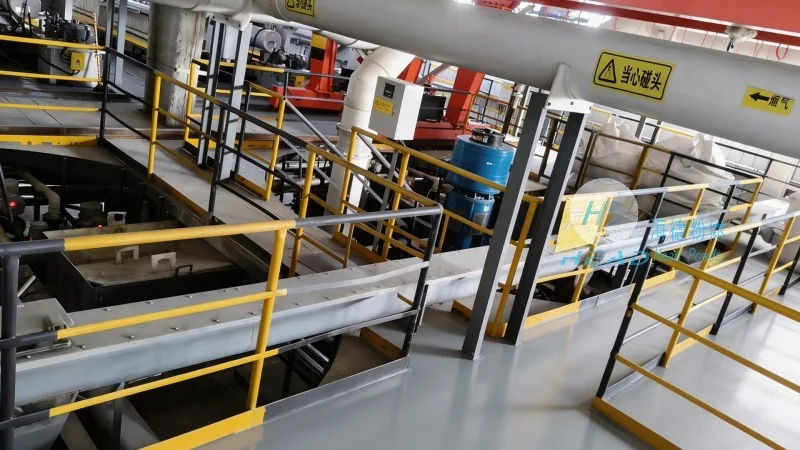
The operation of quantitative feeding material conveying lines relies on a combination of components, each playing a vital role in the overall process. The main components include feed hoppers, conveyor mechanisms, control valves, and sensors. The feed hopper is responsible for storing the bulk material and regulating the initial flow. The conveyor system, which may consist of belt conveyors, screw conveyors, or pneumatic conveyors, transports the material through the line. Control valves and sensors are integrated to monitor and adjust the flow rate in real-time, ensuring that the material is fed at the desired quantity. This integrated approach allows for precise control over the material handling process, which is essential for maintaining product consistency and reducing operational errors.

Working Principle of the Conveying Line
The working principle of quantitative feeding material conveying lines is based on the principle of controlled material flow. The process begins with the material being loaded into the feed hopper. From there, the material is transferred to the conveyor system through a series of mechanisms, such as gravity or mechanical force. The conveyor system moves the material along the line at a controlled speed, which is regulated by the control valves and sensors. These components work together to maintain a consistent flow rate, ensuring that the material is delivered to the processing unit at the exact rate required. The system continuously monitors the flow rate and adjusts the conveyor speed or valve position as needed to maintain the desired output. This closed-loop control system ensures that the material is fed accurately, even when faced with variations in material density or flow characteristics.
Advantages of Quantitative Feeding Material Conveying Lines
Implementing quantitative feeding material conveying lines offers several advantages in industrial operations. Firstly, these systems provide precise control over material flow, which helps in maintaining product quality and consistency. By delivering the exact amount of material required, they reduce waste and lower production costs. Secondly, the automated control mechanisms minimize the need for manual intervention, enhancing operational efficiency and reducing labor costs. Additionally, the consistent flow of material improves the performance of downstream equipment, leading to higher overall productivity. The reliability of these systems also reduces downtime, as they are designed to operate continuously with minimal maintenance. For industries that require high precision in material handling, quantitative feeding material conveying lines are an indispensable tool.
Application Examples and Industry Use Cases
Quantitative feeding material conveying lines are widely used in various industries due to their versatility and precision. In the mining industry, these systems are used to transport ore from storage to processing plants, ensuring that the material is fed at the optimal rate for crushing and grinding operations. In the construction industry, they are employed to deliver raw materials such as sand, gravel, and cement to mixing plants, maintaining consistent mix ratios for concrete production. The chemical industry also benefits from these systems, as they help in feeding raw materials to reactors and processing units with precise control, ensuring safe and efficient chemical reactions. Additionally, in the food processing industry, quantitative feeding material conveying lines are used to handle bulk ingredients, maintaining the quality and consistency of food products. The adaptability of these systems makes them suitable for a wide range of applications, from heavy-duty industrial processes to more delicate material handling tasks.
Installation and Maintenance Considerations
Proper installation and regular maintenance are crucial for the optimal performance of quantitative feeding material conveying lines. During installation, it is essential to ensure that the system is aligned correctly and that all components are properly connected. The feed hopper should be positioned to allow for smooth material flow, and the conveyor system should be level to prevent material buildup or uneven flow. Regular maintenance involves checking the condition of conveyor belts, lubricating moving parts, and inspecting sensors and control valves for any signs of wear or damage. It is also important to clean the system periodically to prevent material accumulation and blockages, which can affect the flow rate and overall performance. By following proper installation and maintenance procedures, users can ensure that the quantitative feeding material conveying line operates efficiently and reliably, maximizing its lifespan and performance.
Conclusion
Quantitative feeding material conveying lines are sophisticated systems that play a vital role in modern industrial operations. By providing precise control over material flow, these systems enhance operational efficiency, reduce waste, and improve product quality. The integration of advanced control mechanisms and reliable components ensures that the material is delivered at the exact rate required, meeting the demands of various industrial applications. As industries continue to seek more efficient and accurate material handling solutions, quantitative feeding material conveying lines remain a key component in achieving operational excellence. With the expertise of companies like Shandong HeadPowder Engineering Co., Ltd., these systems are designed to meet the specific needs of different industries, ensuring optimal performance and reliability.