

Operation Process and Working Principle of Pneumatic Conveying for Ash Storage Materials
For industrial facilities managing ash storage, efficient material handling is crucial to maintain operational efficiency and safety. Pneumatic conveying systems offer a reliable solution for transporting ash and other bulk materials from storage silos or hoppers to processing units. This article explores the operation process and working principle of such systems, highlighting the key components and steps involved in their functionality. The information is provided by Shandong HeadPowder Engineering Co., Ltd., a leading provider of industrial material handling solutions.
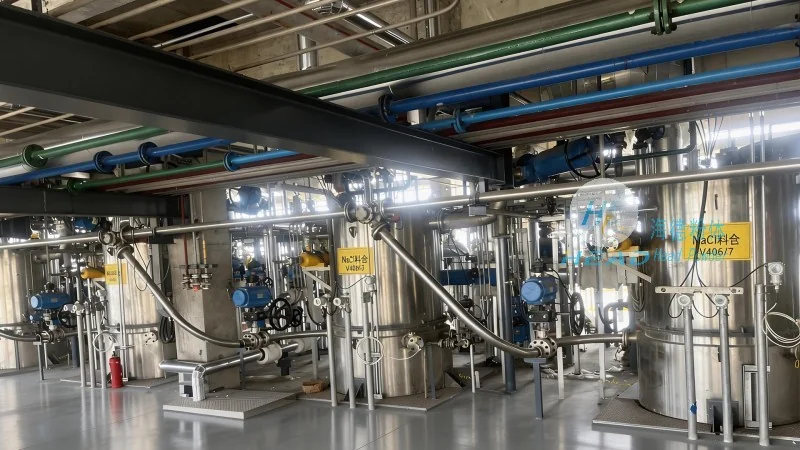
Key Components of a Pneumatic Conveying System for Ash Storage
The pneumatic conveying system for ash storage typically consists of several essential components that work in tandem to ensure smooth material transport. These include the ash storage silo or hopper, a conveying line (often equipped with air ducts and valves), a blower or air compressor to generate the necessary air pressure, a control system for regulating air flow and material feed, and a discharge unit where the ash is deposited at the destination point. Each component plays a vital role in the overall system performance, ensuring that ash is conveyed safely and efficiently from the storage area to the processing equipment.

Working Principle of Pneumatic Conveying for Ash Storage
The working principle of a pneumatic conveying system for ash storage is based on the use of compressed air to move bulk materials through a pipeline. When the system is activated, the blower generates high-pressure air that is introduced into the conveying line. The ash material is then introduced into the line, either by gravity or via a feeder, and is entrained by the moving air stream. The air and ash mixture travels through the pipeline to the discharge point, where the air is released and the ash is deposited. The system relies on the balance between air pressure, material flow rate, and pipeline design to maintain consistent conveying performance.

Operation Process of the Pneumatic Conveying System
The operation process of a pneumatic conveying system for ash storage involves several sequential steps to ensure proper material handling. First, the ash is loaded into the storage silo or hopper. Then, the control system is activated, which signals the blower to start operating and the feeder to introduce the ash into the conveying line. The air pressure is adjusted to the optimal level based on the ash characteristics and pipeline length. As the ash is conveyed, the system continuously monitors flow rates and pressure to maintain stable operation. At the discharge point, the ash is collected and prepared for further processing. The entire process is automated to minimize human intervention and ensure consistent performance, reducing downtime and improving overall operational efficiency.
Advantages of Using Pneumatic Conveying for Ash Storage
Pneumatic conveying systems offer several advantages for ash storage applications. These include the ability to transport ash in a dust-free environment, reducing the risk of airborne particulate emissions and improving workplace safety. The system also provides a flexible and scalable solution, allowing for adjustments in conveying capacity based on operational needs. Additionally, pneumatic conveying minimizes material degradation compared to other handling methods, preserving the quality of the ash for subsequent processing. The automated control system enhances operational reliability and reduces the need for manual labor, leading to cost savings and improved productivity.

Maintenance and Operational Considerations
To ensure the long-term reliability of a pneumatic conveying system for ash storage, regular maintenance is essential. This includes checking the blower and air compressor for proper operation, inspecting the conveying line for blockages or wear, and maintaining the control system components. Regular cleaning of the system, especially the air filters and ash collection points, is also necessary to prevent dust accumulation and maintain optimal performance. Operational considerations include monitoring air pressure and flow rates to detect any deviations from normal operation, which may indicate issues such as clogging or air leaks. Prompt maintenance and troubleshooting can prevent system failures and minimize downtime, ensuring consistent ash handling performance.