

Operation Process and Working Principle of Pneumatic Conveying for Shredded Paper Material
Pneumatic conveying systems have become a cornerstone in the efficient handling and transportation of shredded paper waste. These systems utilize air as the primary medium to transport materials, offering a clean, dust-free, and flexible solution for industries dealing with paper waste. For businesses in the recycling sector, understanding the operation process and working principles of such systems is crucial for optimizing material flow, reducing operational costs, and ensuring environmental compliance.
Key Components and Their Roles in the Conveying Process
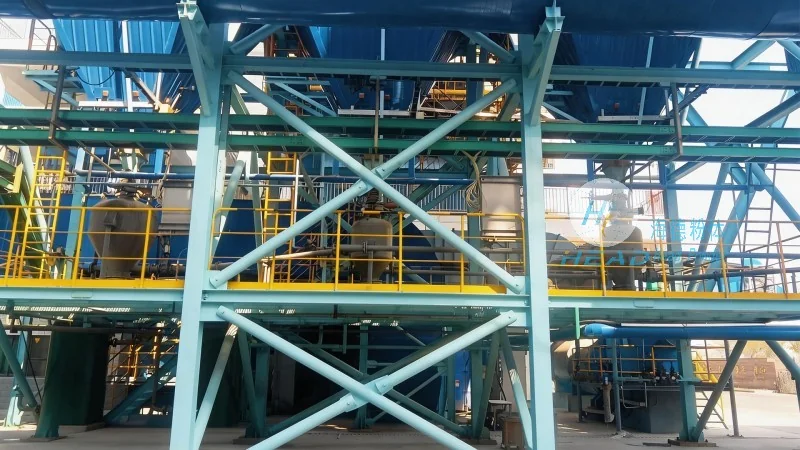
A typical pneumatic conveying system for shredded paper waste consists of several critical components, each playing a vital role in the overall operation. The main components include a hopper or feed hopper to store the shredded paper, a blower or air mover to generate the necessary air pressure, a pipeline network to transport the material, and a receiver or discharge hopper to collect the conveyed material. Additionally, accessories like filters, silencers, and check valves may be integrated to enhance system performance and safety.
Detailed Operation Process of the System
The operation process of a pneumatic conveying system for shredded paper waste begins with the material being fed into the hopper. The blower then starts, creating a low or high-pressure air stream within the pipeline. As the air flows through the system, it draws the shredded paper particles into the pipeline, forming a dense or dilute phase flow depending on the system design. The material is then transported from the hopper to the receiver, where it is collected. The system may include a filter to capture any fine particles, preventing them from being released into the environment.

Working Principle Explained: How Air and Material Interact
The working principle of pneumatic conveying relies on the interaction between air and the material being conveyed. In a low-pressure system, air is drawn through the material, creating a suction effect that lifts and transports the particles. In a high-pressure system, air is forced through the material, pushing it along the pipeline. The key is maintaining the correct air-to-material ratio to ensure efficient transport without causing blockages or excessive energy consumption. This principle allows for the smooth and continuous movement of shredded paper waste from one location to another.

Company Profile: Shandong HeadPowder Engineering Co., Ltd.
Shandong HeadPowder Engineering Co., Ltd., a leading provider in the field of material handling solutions, specializes in designing and manufacturing advanced pneumatic conveying systems tailored to the needs of the paper recycling industry. With a focus on innovation and quality, the company has developed state-of-the-art equipment that ensures reliable and efficient operation for clients dealing with shredded paper waste. Their expertise in system design, installation, and maintenance has helped numerous businesses enhance their operational efficiency and reduce costs.
Address and Location Information
Shandong HeadPowder Engineering Co., Ltd. is located in Shandong, China. The company's headquarters and manufacturing facilities are situated in this region, providing a strong base for serving clients both domestically and internationally. The address is part of the company's commitment to providing accessible and reliable support to its customers, ensuring that technical assistance and maintenance services are readily available when needed.