

Introduction to Corn Kernels Powder Conveying: Structure and Principle Explanation
For industries dealing with corn kernels, efficient and reliable powder conveying systems are crucial for maintaining production efficiency and product quality. This article provides an overview of the corn kernels powder conveying process, focusing on the structural design and operational principles that underpin modern conveying solutions. By understanding these aspects, businesses can better select and implement systems that meet their specific operational needs.

HeadPowder, a leading provider of engineering solutions, specializes in the design and manufacturing of advanced powder handling equipment. With a strong commitment to innovation and quality, the company has developed comprehensive systems tailored to the unique challenges of corn kernels processing. The following sections will delve into the key components, structural features, and functional principles of corn kernels powder conveying systems, highlighting how these elements contribute to effective material transport and processing.
Key Structural Components of Corn Kernels Powder Conveying Systems
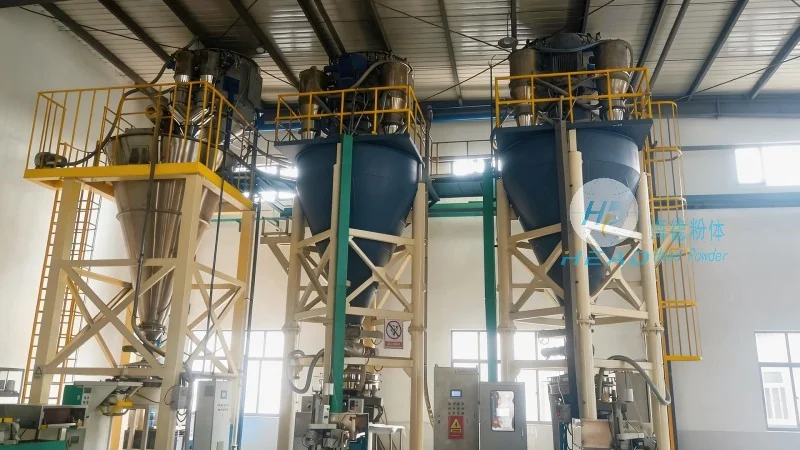
The corn kernels powder conveying system typically consists of several critical components that work in tandem to ensure smooth and efficient material movement. These components include the hopper, conveyor mechanism, control system, and discharge unit. Each part plays a vital role in the overall functionality of the system.
The hopper is the initial storage and feeding unit where corn kernels are loaded. It is designed with a wide inlet to accommodate bulk loading and a sloped interior to facilitate gravity-driven flow into the conveyor. The material of construction, often stainless steel or high-grade plastic, ensures durability and resistance to corrosion, which is essential for handling corn kernels that may contain moisture or other contaminants.
Following the hopper is the conveyor mechanism, which is the core of the powder conveying system. For corn kernels, common conveyor types include screw conveyors, pneumatic conveyors, and bucket elevators. Screw conveyors use a rotating helical screw to push material forward, while pneumatic conveyors utilize air pressure to transport particles through a pipeline. The choice of conveyor type depends on factors such as the size and density of the corn kernels, as well as the required conveying distance and speed.
The control system is another essential component that manages the operation of the conveying equipment. It includes sensors, control panels, and automation software that monitor the flow rate, pressure, and temperature of the system. This allows for real-time adjustments to maintain optimal performance and prevent issues such as blockages or overloading. The control system also ensures safety by integrating emergency stop functions and overload protection mechanisms.
The discharge unit is the final stage of the conveying process, where the corn kernels are released from the system. It may include a valve or gate that controls the flow of material to the next processing stage, such as a grinder or dryer. The design of the discharge unit is critical to prevent material spillage and ensure a clean, controlled release.
Operational Principles of Corn Kernels Powder Conveying
The operational principles of corn kernels powder conveying systems are based on fundamental physics and engineering principles. The primary goal is to move the corn kernels from the source to the destination with minimal loss of material and energy. Several key principles govern the performance of these systems:
First, the principle of gravity and pressure. In many conveying systems, gravity is used to assist the movement of material, especially in vertical or inclined sections. The hopper's design, with its sloped walls, helps to utilize gravity to reduce the energy required for conveying. Additionally, pressure differentials are created in pneumatic systems to push the corn kernels through the pipeline, ensuring consistent flow.
Second, the principle of friction and material properties. The interaction between the corn kernels and the conveyor surface affects the conveying efficiency. For example, in screw conveyors, the angle and pitch of the screw determine the amount of friction and the speed at which material is moved. Corn kernels, being irregularly shaped and having varying densities, require careful consideration of these parameters to avoid excessive wear on the equipment and ensure smooth operation.
Third, the principle of air flow and particle separation. In pneumatic conveying systems, the velocity and pressure of the air are critical factors. Proper air flow ensures that the corn kernels are fully suspended and transported without settling or clogging the pipeline. The design of the pipeline, including bends and fittings, must minimize pressure losses and maintain consistent air velocity to prevent material deposition.
Fourth, the principle of temperature control. Corn kernels are sensitive to temperature changes, which can affect their quality and processing characteristics. The conveying system must be designed to maintain a stable temperature, especially during long-distance conveying or when handling heat-sensitive products. This may involve the use of insulated pipelines or temperature-regulating systems to prevent overheating or cooling of the material.
Advantages of Modern Corn Kernels Powder Conveying Systems
Modern corn kernels powder conveying systems offer several advantages over traditional methods, making them ideal for contemporary processing facilities. These advantages include improved efficiency, reduced labor costs, enhanced product quality, and increased safety. By leveraging advanced technology and engineering, these systems can handle large volumes of corn kernels with minimal human intervention.

Efficiency is a key benefit, as modern systems are designed to minimize energy consumption and maximize material throughput. The use of automated controls and optimized conveyor designs ensures that the system operates at peak performance, reducing downtime and increasing overall productivity. This efficiency is particularly important for large-scale corn processing operations where continuous production is essential.
Reduced labor costs are another significant advantage. Traditional conveying methods often require manual handling and frequent maintenance, which can be labor-intensive and costly. Modern systems, with their automated controls and self-diagnostic features, reduce the need for manual intervention, lowering labor expenses and improving operational efficiency.
Enhanced product quality is achieved through the precise control of conveying parameters. By maintaining consistent flow rates, pressure, and temperature, the system ensures that the corn kernels are handled gently, minimizing breakage and damage. This is crucial for preserving the quality of the final product, especially in applications where the corn kernels are used for food or animal feed production.
Safety is a critical consideration in any processing facility, and modern corn kernels powder conveying systems incorporate advanced safety features. These include emergency stop buttons, overload protection, and monitoring systems that alert operators to potential issues before they become major problems. The use of enclosed conveyor systems and proper ventilation also helps to prevent dust accumulation and reduce the risk of fire or explosion.
Application Examples and Industry Impact
Corn kernels powder conveying systems are widely used in various industries, including food processing, animal feed manufacturing, and biofuel production. In the food industry, these systems are essential for transporting corn kernels to grinding mills, where they are processed into flour or other food products. The efficiency of the conveying system directly impacts the quality and consistency of the final food product.

In animal feed production, corn kernels are a primary ingredient, and efficient conveying is critical to maintaining consistent feed quality. The systems used in this industry must be able to handle large volumes of corn kernels and integrate with other processing equipment, such as mixers and extruders. The reliability of the conveying system is essential to ensure a steady supply of feed material to the production line.
In biofuel production, corn kernels are processed into ethanol or other biofuels. The conveying system plays a vital role in transporting the raw material to the fermentation and distillation stages. The efficiency of this system affects the overall production rate and cost of the biofuel, making it a critical component of the biofuel production process.
The impact of modern corn kernels powder conveying systems extends beyond individual facilities. By improving processing efficiency and reducing waste, these systems contribute to the sustainability of the corn processing industry. They also help to reduce the environmental footprint of operations by minimizing energy consumption and optimizing material handling. This aligns with the growing demand for sustainable and efficient industrial practices.
Conclusion and Future Developments
Corn kernels powder conveying systems are a vital component of modern corn processing operations, enabling efficient and reliable material transport while maintaining product quality and safety. The structural design and operational principles of these systems have evolved significantly over the years, driven by advancements in engineering and technology. As the demand for corn products continues to grow, the need for more efficient and sustainable conveying solutions will remain high.
HeadPowder, with its expertise in powder handling engineering, continues to innovate and develop advanced conveying systems tailored to the specific needs of the corn processing industry. By leveraging cutting-edge technology and a deep understanding of material properties, the company is committed to providing solutions that enhance operational efficiency and support the growth of its clients.
As technology advances, future developments in corn kernels powder conveying systems may include the integration of artificial intelligence and machine learning for predictive maintenance, the use of more sustainable materials in construction, and the development of even more energy-efficient designs. These advancements will further improve the performance and sustainability of conveying systems, ensuring that they remain a cornerstone of efficient corn processing for years to come.