

What is a Polyethylene Material Conveying Line? What Are Its Design Principles?
A polyethylene material conveying line is a specialized system engineered to transport polyethylene materials efficiently and safely. These systems are commonly used in industrial settings where polyethylene pellets, powders, or granules need to be moved from one processing stage to another. The design of such lines is critical to ensure optimal performance, reliability, and compliance with industry standards.

Key Design Principles for Polyethylene Conveying Systems
The design of a polyethylene material conveying line is based on several fundamental principles that address the unique characteristics of polyethylene materials. These include material flow dynamics, equipment durability, and operational efficiency. Engineers must consider factors such as the density, moisture content, and particle size of the polyethylene, as these properties influence how the material behaves during transport.
One of the primary design considerations is the selection of appropriate conveyor components. For polyethylene, which can be abrasive or sticky under certain conditions, materials like stainless steel or corrosion-resistant alloys are often used for the conveyor belts and housing to prevent wear and maintain hygiene. The conveyor system may incorporate features like smooth surfaces or special coatings to minimize material buildup and ensure consistent flow.
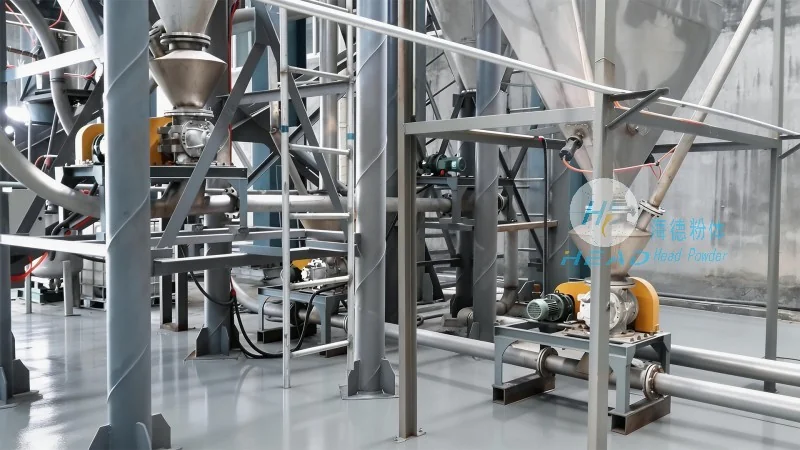
Components and Functional Aspects of the Conveying Line
A typical polyethylene material conveying line consists of several key components, each playing a vital role in the overall operation. These components include the feed hopper, conveyor belt or screw mechanism, idlers or rollers, drive system, and control panel. The feed hopper is designed to store and feed the polyethylene material into the conveyor at a controlled rate, preventing overloading and ensuring a steady flow.
The conveyor mechanism, whether a belt conveyor or a screw conveyor, is responsible for moving the material along the designated path. Belt conveyors are often preferred for their ability to handle a wide range of material types and sizes, while screw conveyors are suitable for more compact or vertical transport needs. The idlers or rollers are strategically placed to support the conveyor belt and maintain proper tension, ensuring smooth operation and preventing slippage.
The drive system, which may include electric motors and gearboxes, provides the necessary power to move the conveyor. It is designed to handle the load requirements of the polyethylene material, ensuring consistent speed and torque. Modern conveying lines often incorporate variable speed drives, allowing operators to adjust the conveyor speed based on the material flow rate and processing requirements.

The control panel is another critical component, housing the electrical controls and sensors that monitor and regulate the conveying process. Sensors such as level detectors, speed monitors, and temperature sensors are used to detect any abnormalities and trigger appropriate responses, such as slowing down the conveyor or activating alarms. This ensures the safety and efficiency of the operation.
Engineering and Manufacturing by Shandong HeadPowder Engineering Co., Ltd.
Shandong HeadPowder Engineering Co., Ltd., a leading manufacturer based in China, specializes in the design and production of high-quality polyethylene material conveying lines. With a strong commitment to engineering excellence and customer satisfaction, the company has established itself as a trusted provider in the industry. HeadPowder's manufacturing facility, located in Shandong, China, is equipped with advanced technology and skilled personnel to ensure that each conveying line meets the highest standards of quality and performance.
The company's engineering team employs state-of-the-art design software and methodologies to develop customized conveying solutions tailored to the specific needs of each client. They consider factors such as the type of polyethylene material, the production capacity, and the operational environment to create a system that is both efficient and reliable. HeadPowder's expertise in material handling and conveyor technology allows them to address the unique challenges associated with polyethylene, such as its tendency to stick or degrade under certain conditions.

HeadPowder's manufacturing process involves rigorous quality control measures to ensure that every component of the conveying line meets the required specifications. From the selection of raw materials to the final assembly and testing, each step is carefully monitored to guarantee the durability and longevity of the equipment. The company adheres to international standards and certifications, ensuring that their products are safe, efficient, and compliant with industry regulations.
HeadPowder's polyethylene material conveying lines are designed to offer long-term performance and minimal maintenance. The use of high-quality materials and robust construction ensures that the system can withstand the demands of continuous operation, reducing downtime and increasing productivity for the end-user. The company also provides after-sales support, including maintenance services and technical assistance, to ensure that clients can maximize the lifespan and efficiency of their conveying equipment.